Istrani nakon 2. svjetskog rata“
U okviru projekta "Identity on the Line
- Ugroženi identitet"
Marino
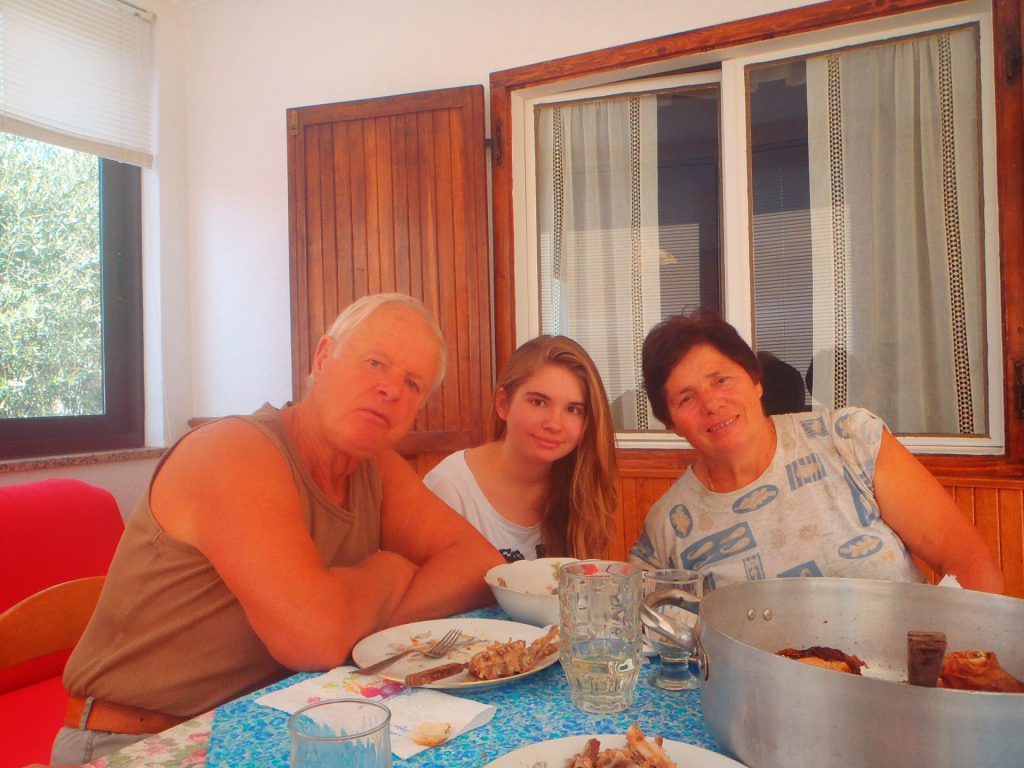
Marino and his family are a true example of Istrian multiculturalism, which Marino’s family had witnessed since the end of the 18th century. By origin Slovenes, Marin’s ancestors lived through various governments and cultural influences. He especially points out how much more appreciated the Austrian government was, given that it enabled bilingualism and ensured cultural freedoms. They did not like Italians because of a kind of ethnocentrism. However, Marino’s ancestors wanted to remain under Italy because they wanted to look towards the “West.” They believed that the (south) Slavic government would place them in the Balkans, where the cultural imaginary of the local population was dominated by Uskoks, thieves, and people unwilling to work.
“Watch out when a Croat comes to your door.”
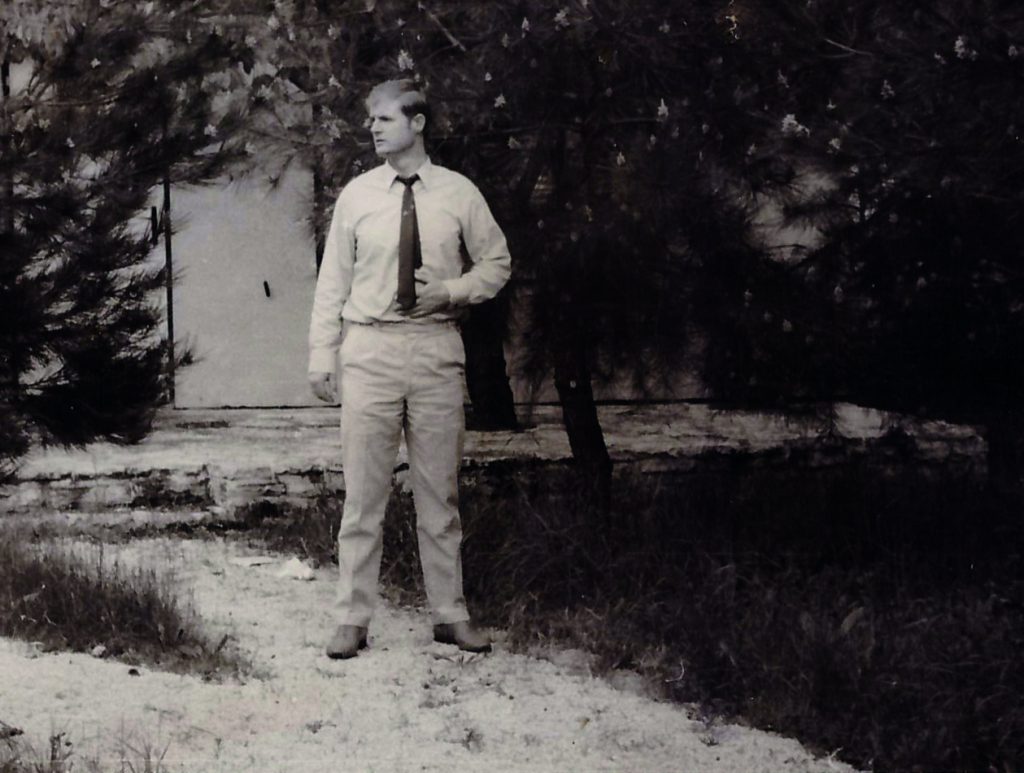
During the Italian administration (1920-1943), many families, especially those wealthier, joined the fascist movement. During and after the Second World War, there used to be conflicts between the local people of various political orientations, however, none of them ended tragically. What they were afraid of was communism.
(it was defined by the word “bauk” – “the bogeyman!”)
Fear was kindled by the manipulation of threats such as “la notte te magnerà” (“the night will magnify you”) and the concept of joint ownership, which forced many to leave. They believed that they would work hard, but they would not get in return what they deserved or what they had before. Those who remained had a hard life in the beginning, all kinds of things were missing.
He remembers the help they received from 1945-46. Mr Marino says that food was distributed, for example, they received a kilogram of sardines per family (or per person?), the fish was brought home… then he remembers the packages they received from America… the so-called Kerr cans, canned food, peanut butter, frozen geese, etc.
Over time, and mostly thanks to the agrarian reform by which the colonists (tenants) received a share in the ownership of the land, and then to tourism, Savudrija developed, and Istrian multiculturalism took on new dimensions.