Istrani nakon 2. svjetskog rata“
U okviru projekta "Identity on the Line
- Ugroženi identitet"
Gianfranco
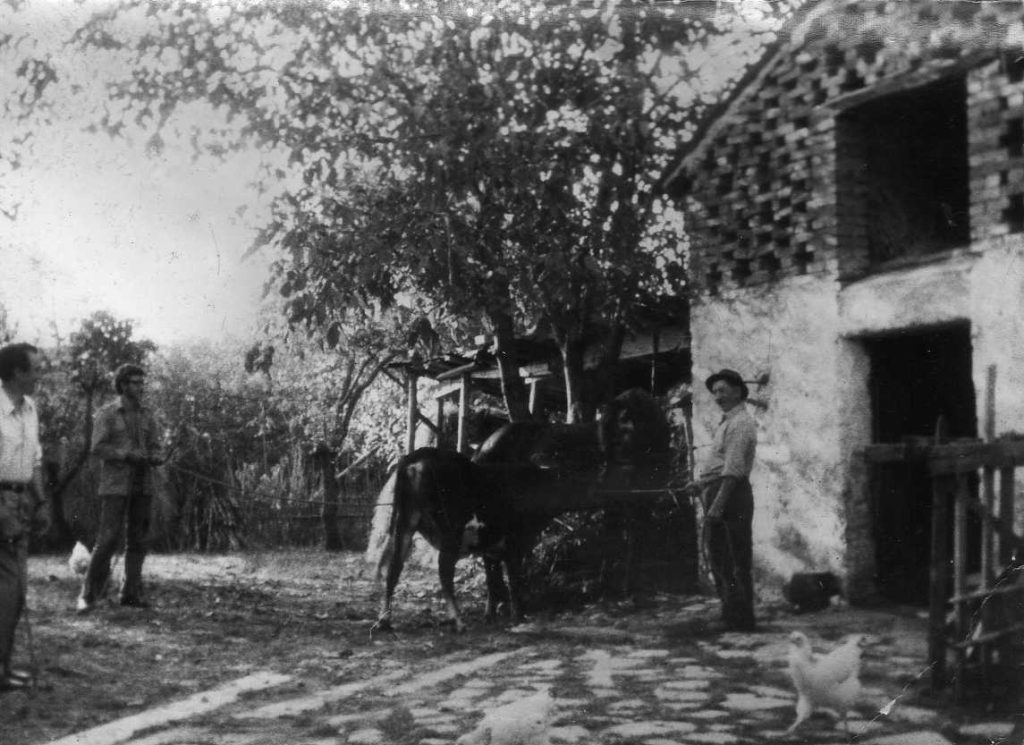
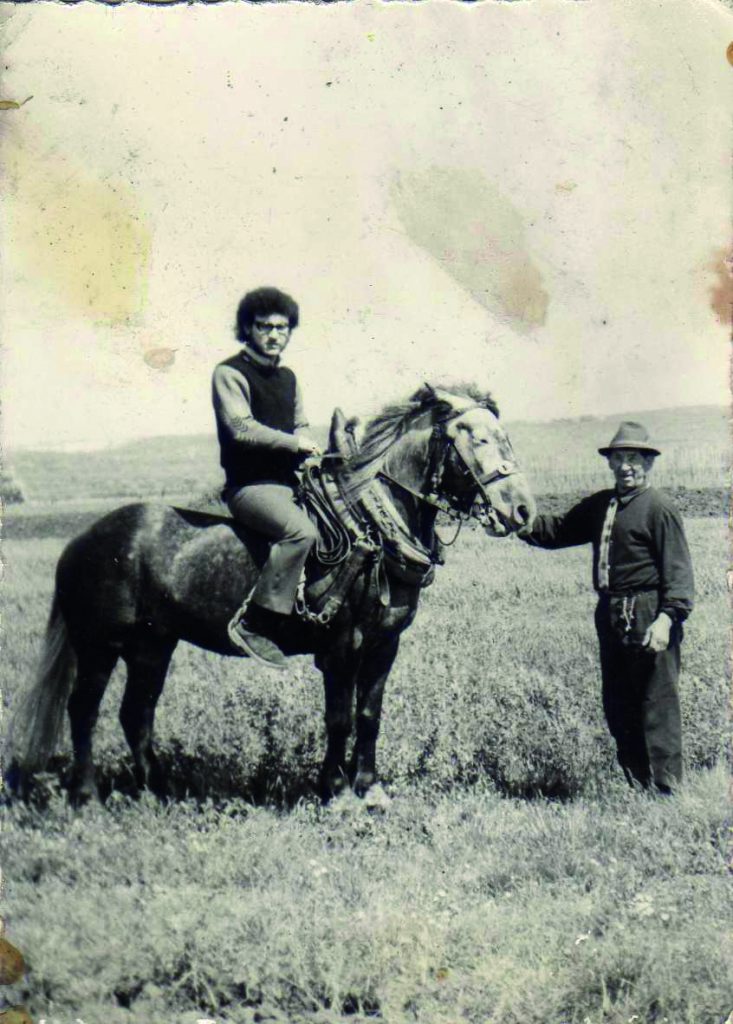
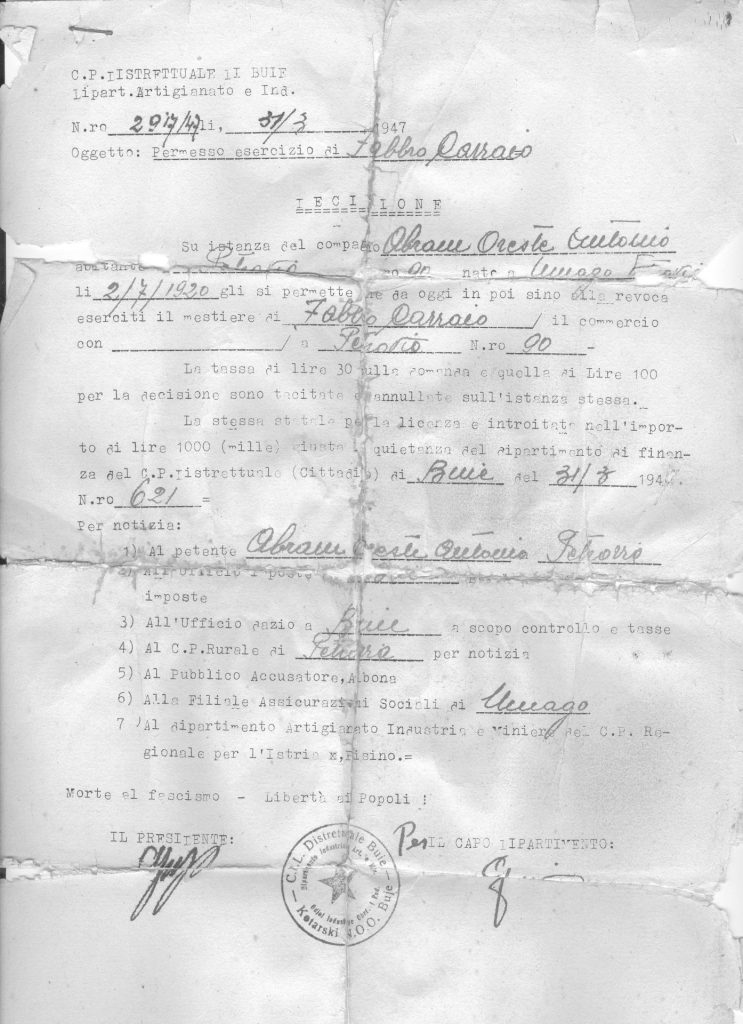
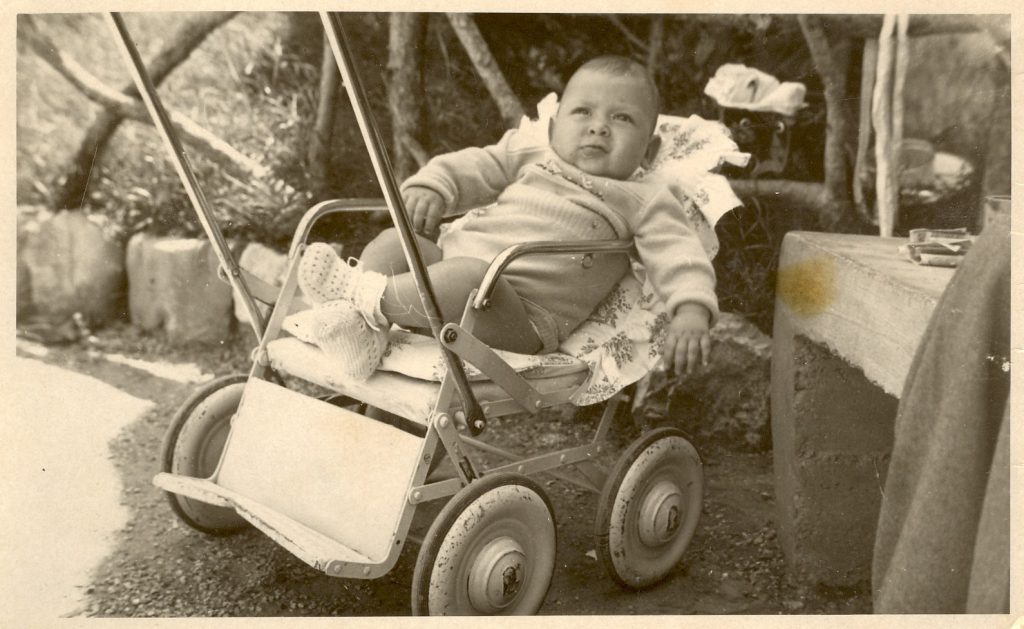
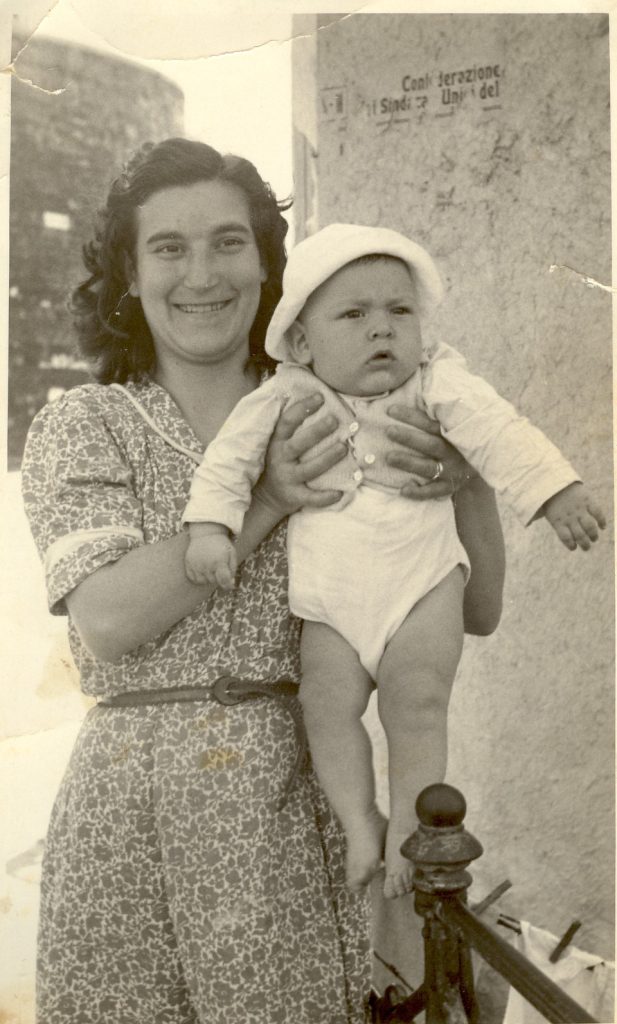
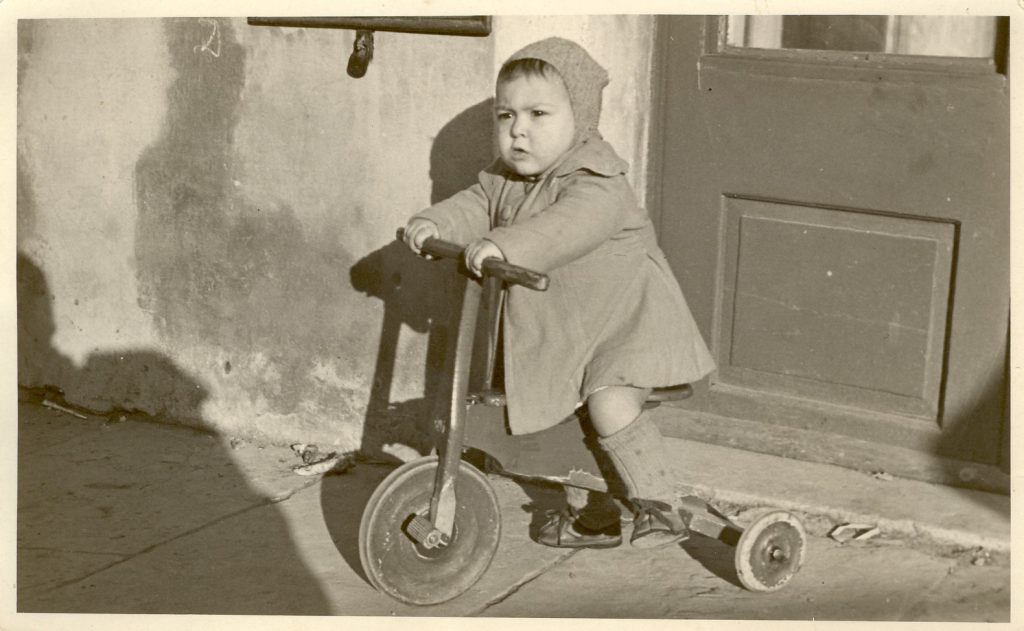
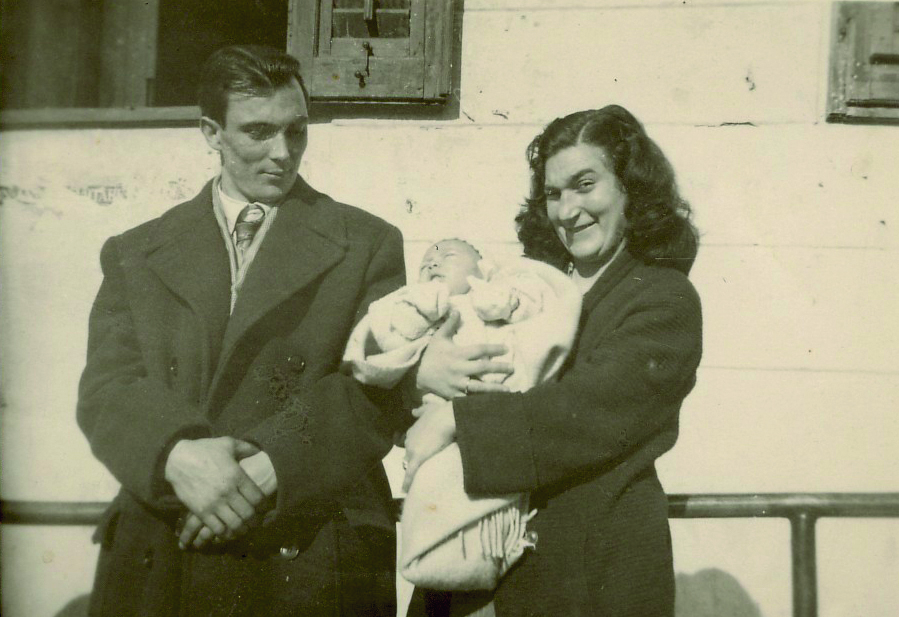
Gianfranco’s parents emigrated from Petrovija to Trieste because, in the midst of post-war events and internal family disagreements, they wanted a better start for their new family. Gianfranco was born in Trieste in 1949 shortly after their arrival, however, he visited Istria and his grandfather when he was just three months old. Visits to Petrovija were constant throughout Gianfranco’s life, and his grandfather was one of the key figures in his life. He had a great influence on the formation of Gianfranco’s open, humane character, due to which he never distinguished between people on the basis of their nationality. Such an attitude enabled his grandfather to continue his agricultural and trading activities even after the war, and Gianfranco was able to socialise with people of different origins who often shared stories and memories of their unfortunate war and post-war destinies with him.
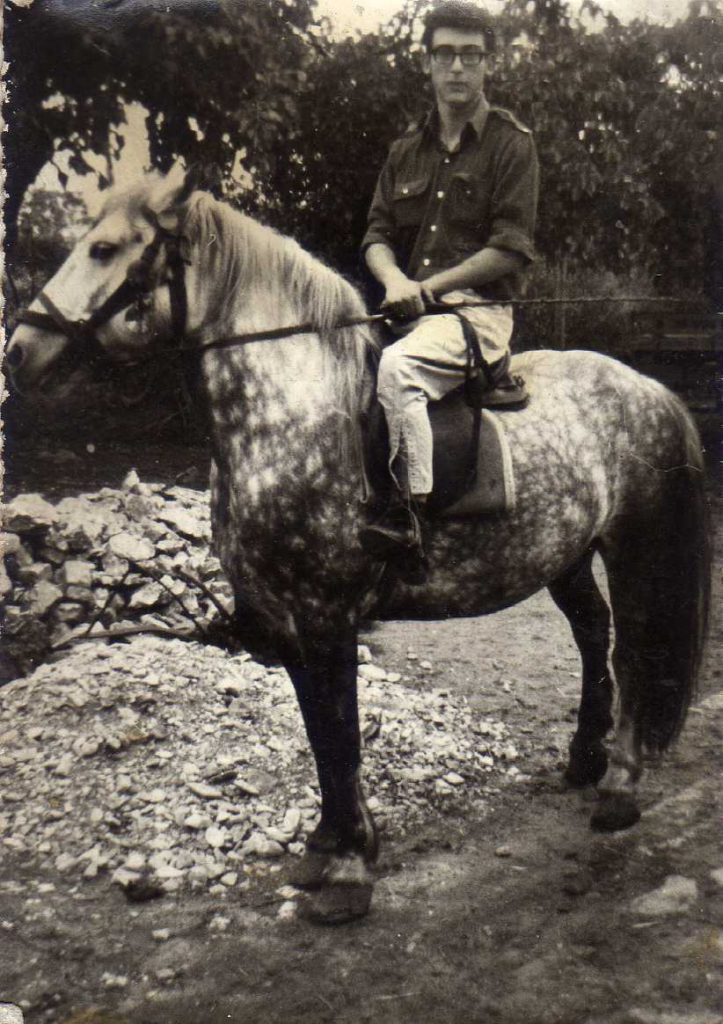
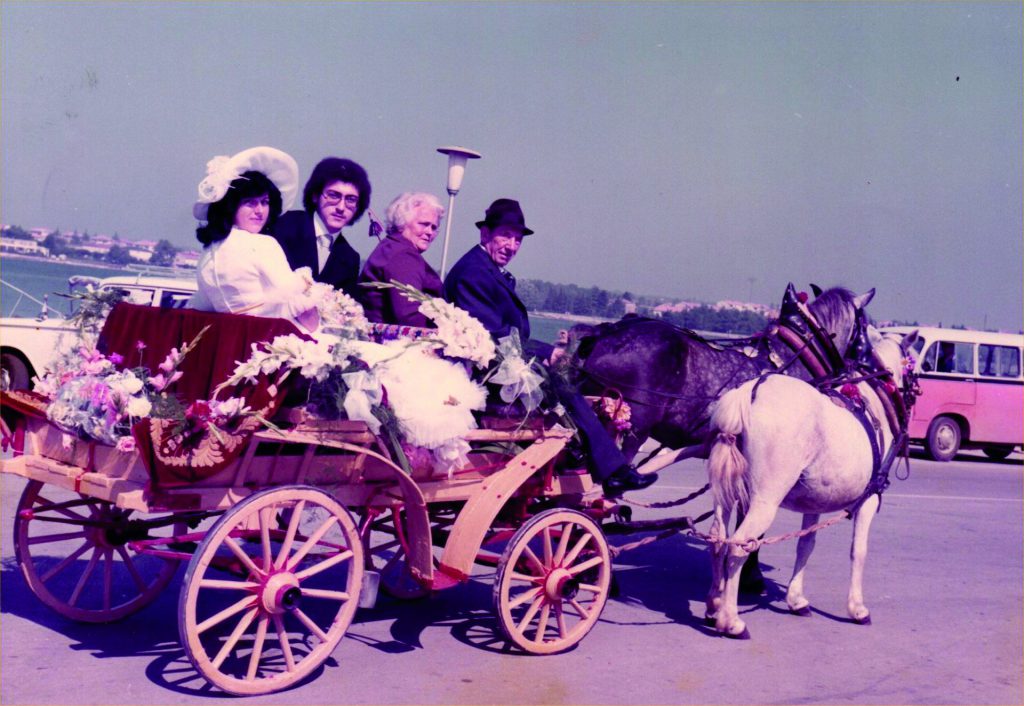
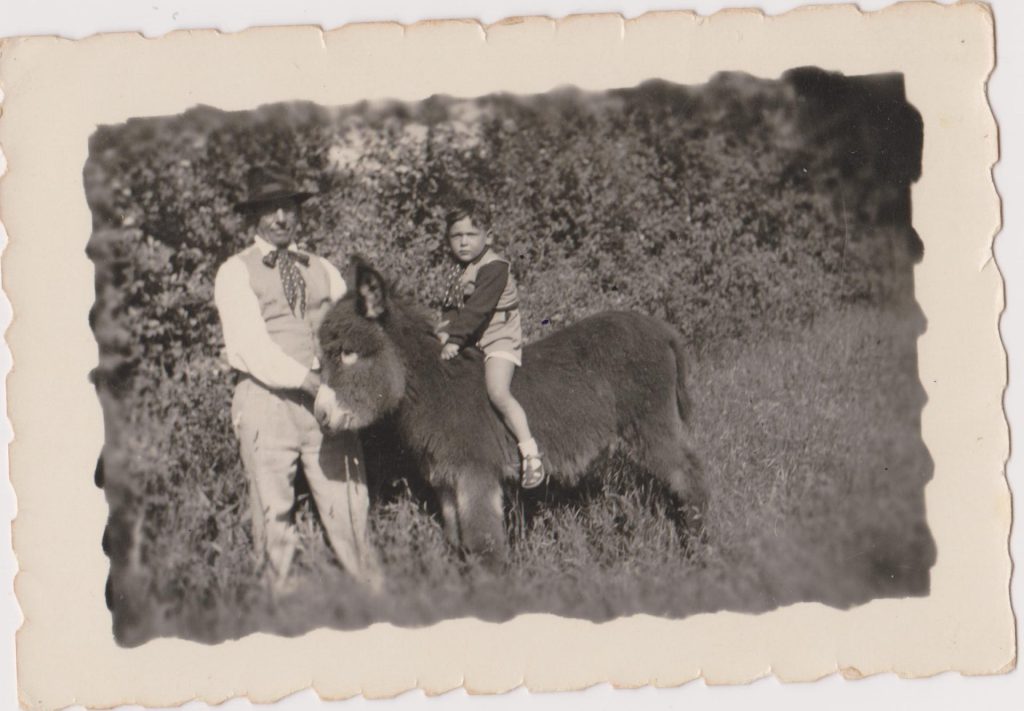
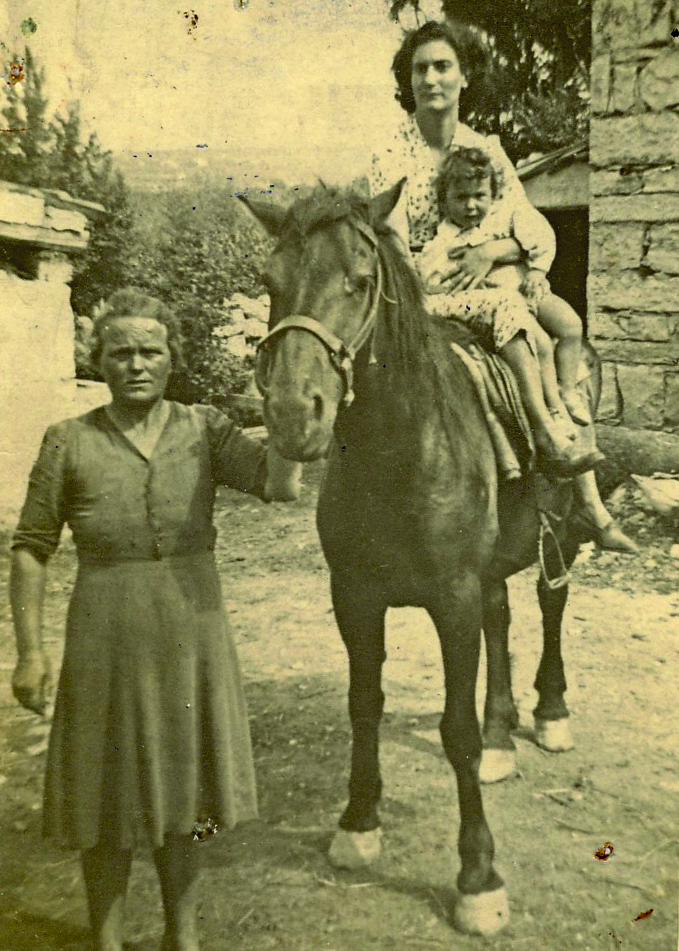
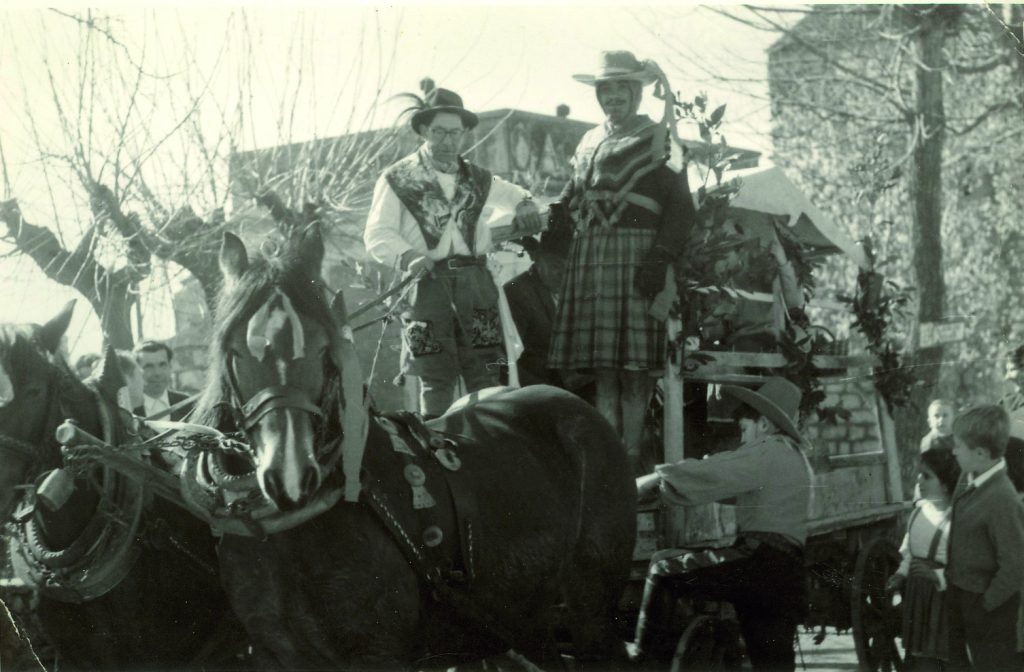
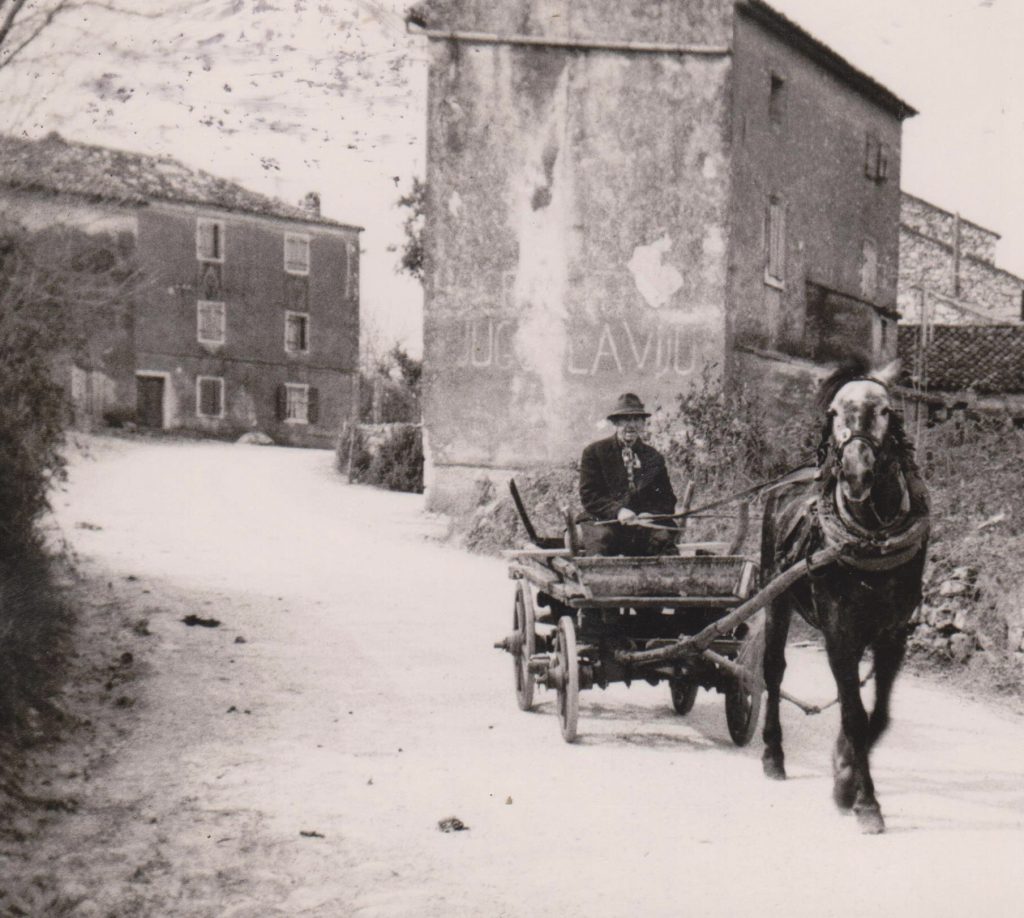
“So until I turned sixteen, I spent four months in the summer, plus fifteen days at Christmas, and another eight at Easter in Istria, in Petrovija. And I lived well, with all those flavours, with the bread that my grandmother made, with olive oil, with fresh eggs, ham, pancetta, sausages, tomatoes and fruit from the trees. And all the smells that intoxicated me! And the tours around Bujština (the area around Buje) with my grandfather, on a cart or carriage (his biroc), at that time there was still a market in Buje and my grandfather did business (deals were made in the pub) whilst I took care of the cart and horses, and when I grew up, my grandfather bought me a saddle and I rode the horse through the fields, along the Patocco stream and all the way to Umag.”
One of the stories that have remained with Gianfranco to this day is the one entrusted to him by the priest of Žminj, Ivan Krajcar. In 1943, after the fall of Italy, the commander Ivan Motika – also known in Italy as “il Boia di Pisino” i.e. the “Pazin executioner” invited Krajcar, probably because of his typing skills, to type up a list of people who should be executed by throwing them into a pit (infoibare).
“It was frightening to even look at that Ivan Motika, he was a real beast.”
Immediately, the priest found on the list the entire family of his school friend who had an Italian surname although the family was of Croatian origin. Despite his fear, the priest stood up for the family and said that they had no connection with the Italians. Motika looked at him intensely for a few seconds and said: “OK, take them off of the list, but if I find out that you lied, you’ll end up like them.”