Istrani nakon 2. svjetskog rata“
U okviru projekta "Identity on the Line
- Ugroženi identitet"
Marina
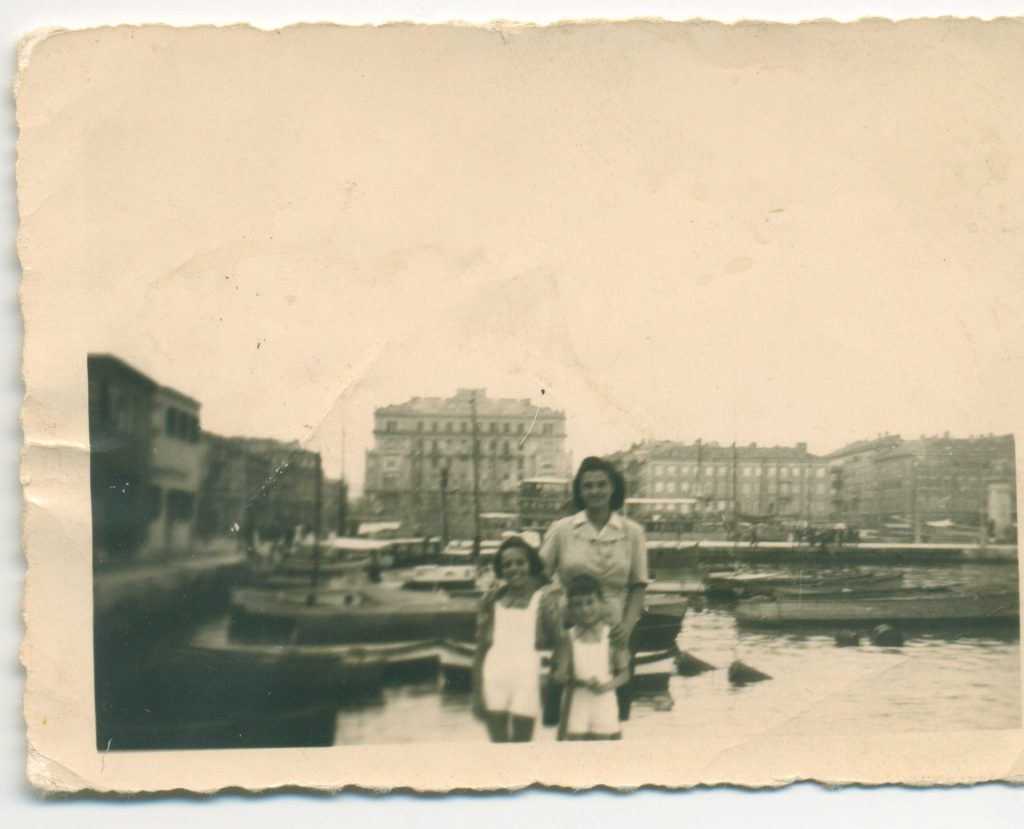
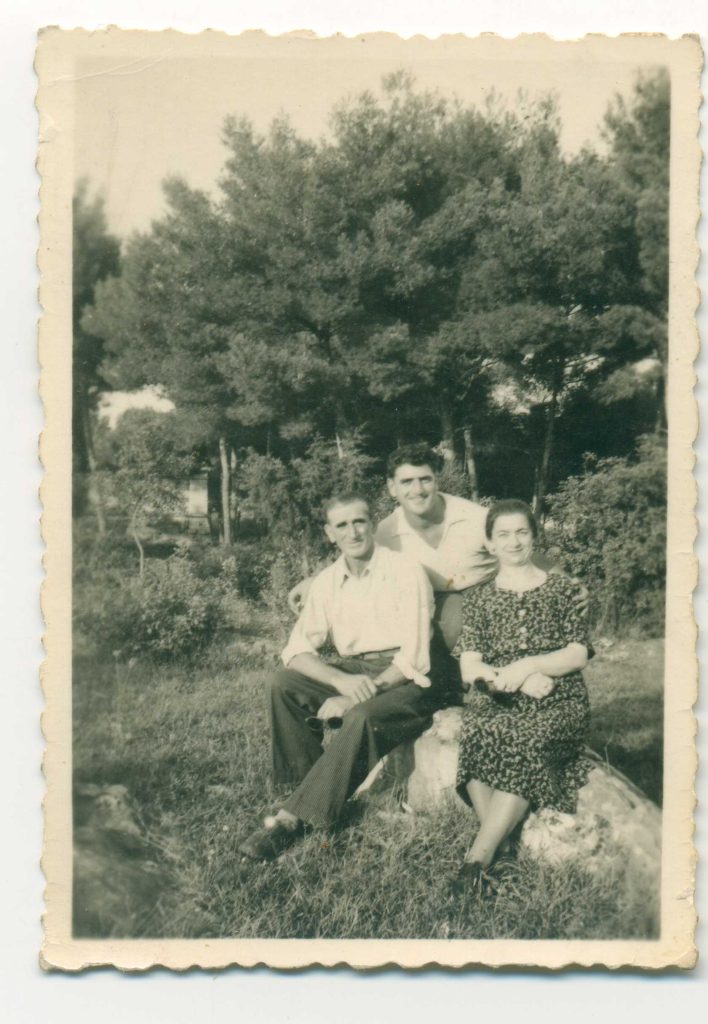
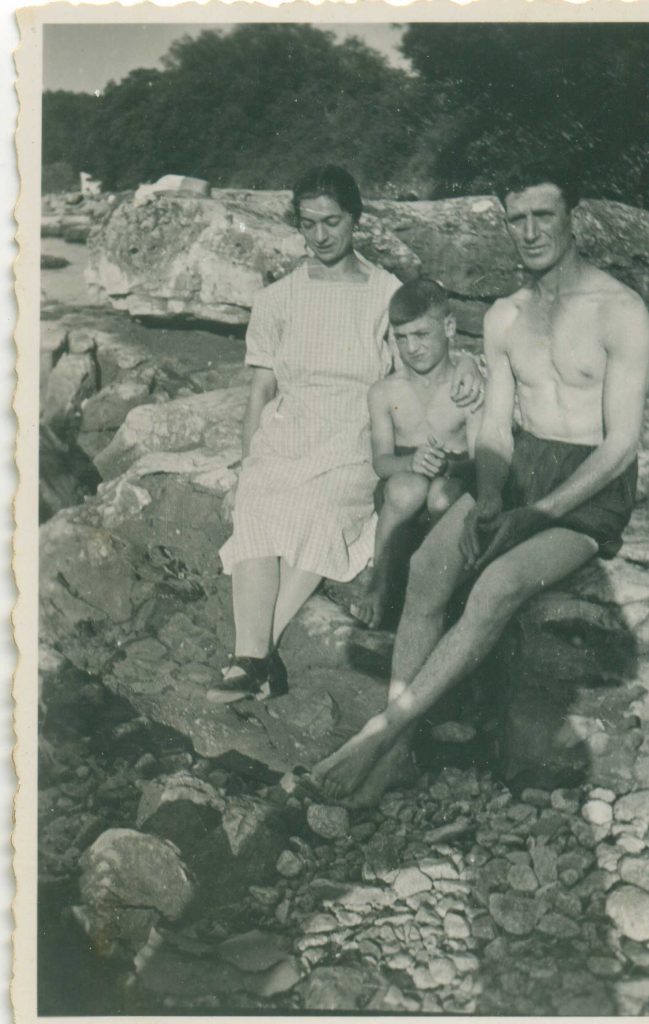
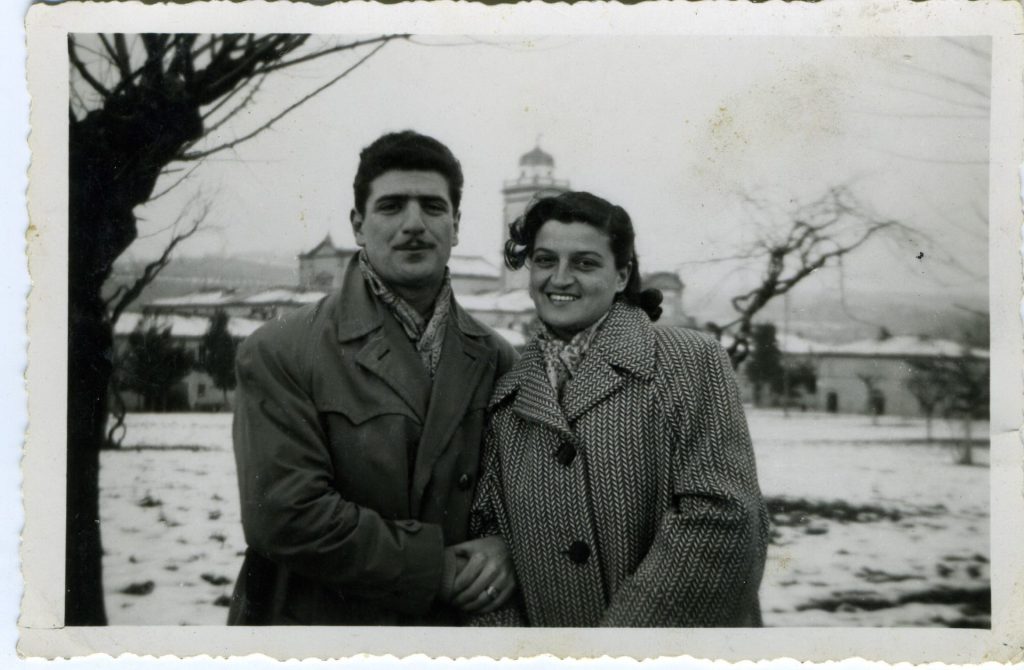
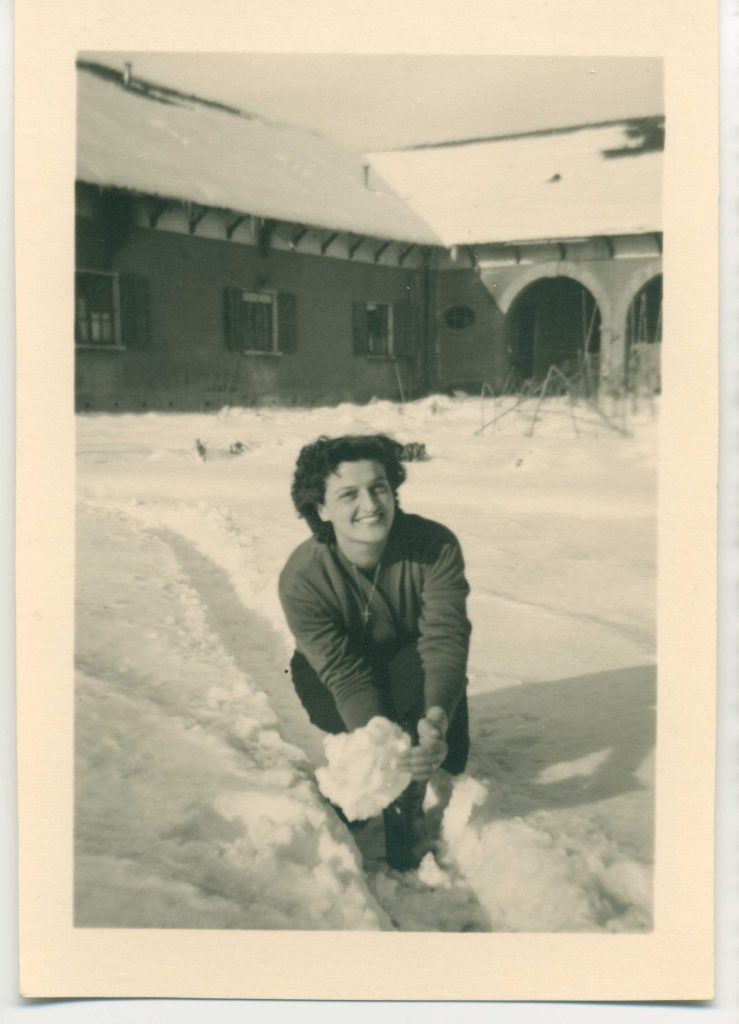
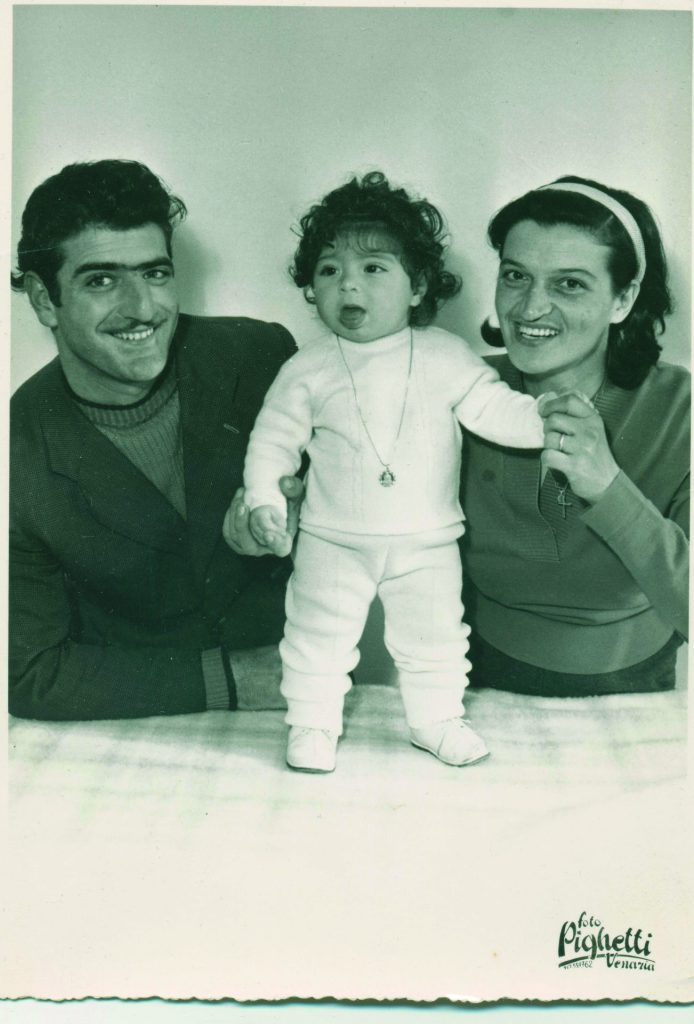
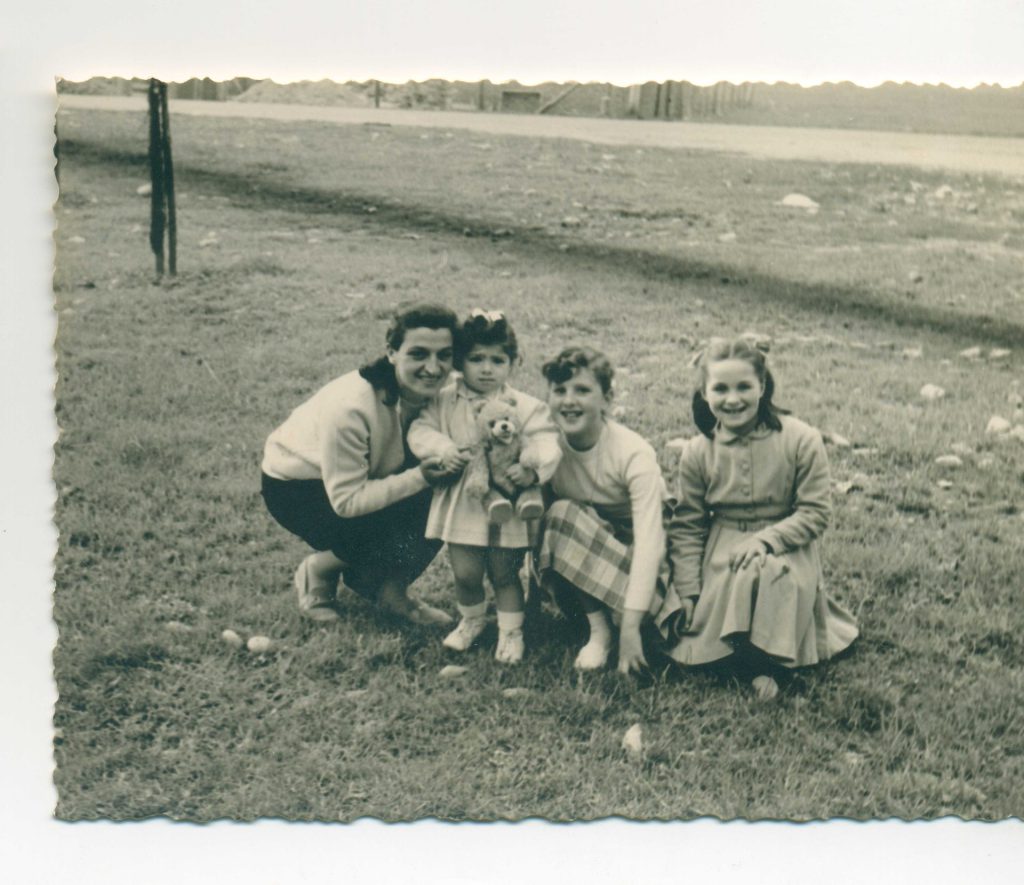
Marina’s father belonged to a well-known family from Rovinj, whilst her mother was born in Rijeka. The two met in a refugee camp, of which there were in fact many in Italy. They settled, like many exiles who came to Turin, in an area called Santa Caterina.
Her parents visited Rovinj and Rijeka with their children in the 1970s, but the atmosphere changed: in Rovinj, old acquaintances and friends did not want to talk about some subjects, and Rijeka seemed so different to her mother that she wanted to leave it as soon as possible. Marina, however, found new friends in Rovinj and continued to visit it regularly in the summer. She mastered the Rovinj dialect well.

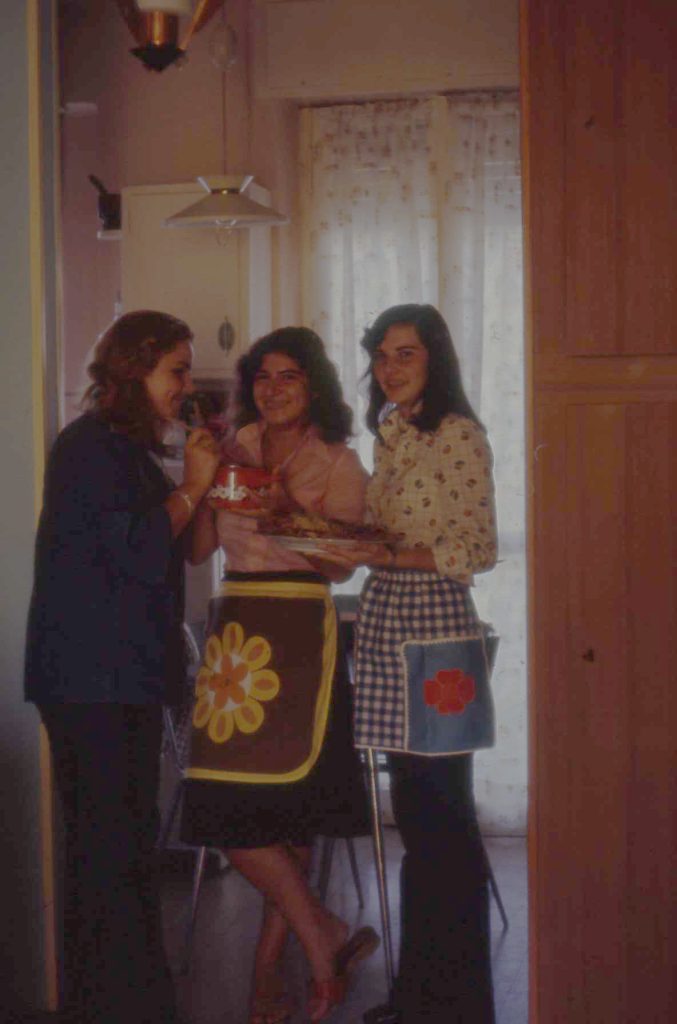
In Turin, holidays were often celebrated in a similar way as in Istria: at Easter, the house smelled of pinca – a sweet bread loaf, on Sundays the men played bocce, and the elderly sang “arie da nuoto.”
In this same environment, Marina met Boris, her current husband, the son of a woman from Rijeka and a man from Split. Therefore, their joint travels now include Dalmatia too.
My father’s family was large, they were landowners, many large tourist camps in Istria, such as Polari, Valalta, were built on their former lands.
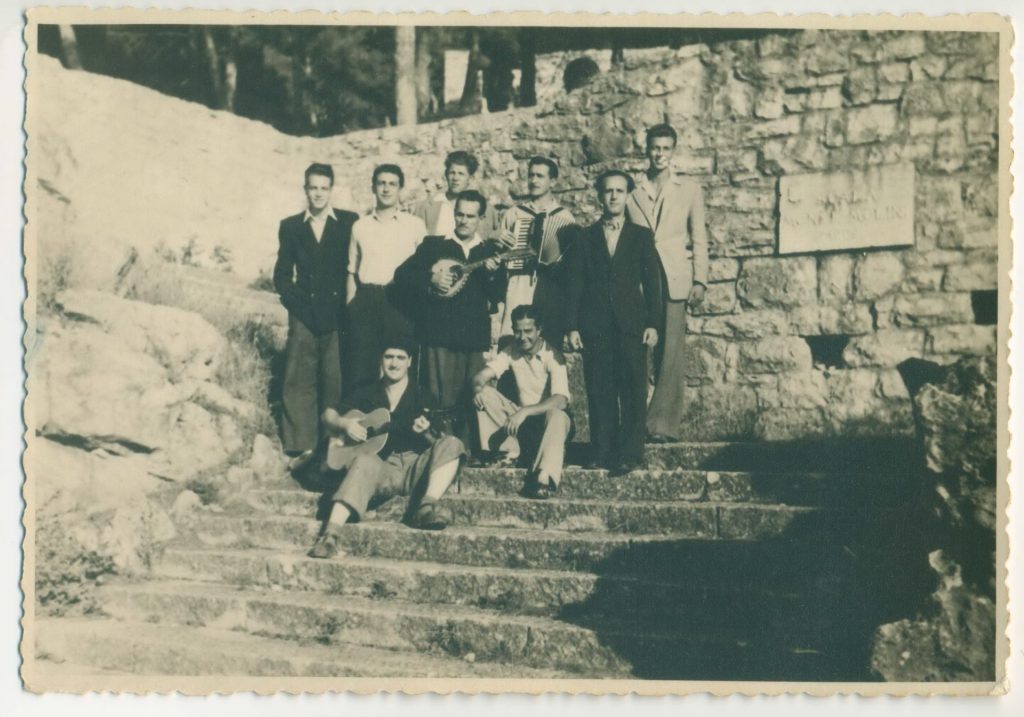
My father was never a fascist, on the contrary, he was always a socialist, from his birth to death. He was a fighter in the Pino Budicin Partisan battalion and believed in those ideals.

In Rijeka, life changed, fear reigned. My mother told me how one evening she went to a dance, where one titino (a follower of Tito) asked her to dance, but she didn’t want to because she was there with friends. In the end, Tito’s soldier took her to the police station and kept her in custody all night. Who knows what would have happened if her brother hadn’t freed her with some ruse.