Istrani nakon 2. svjetskog rata“
U okviru projekta "Identity on the Line
- Ugroženi identitet"
Andor Brakus
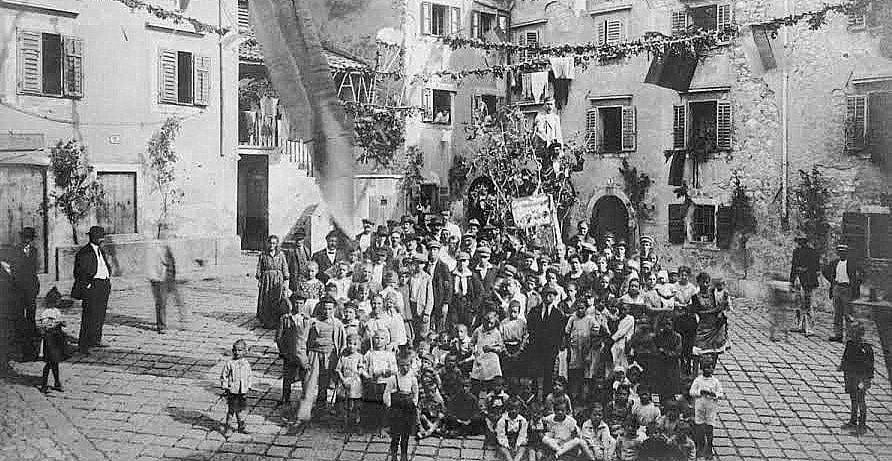
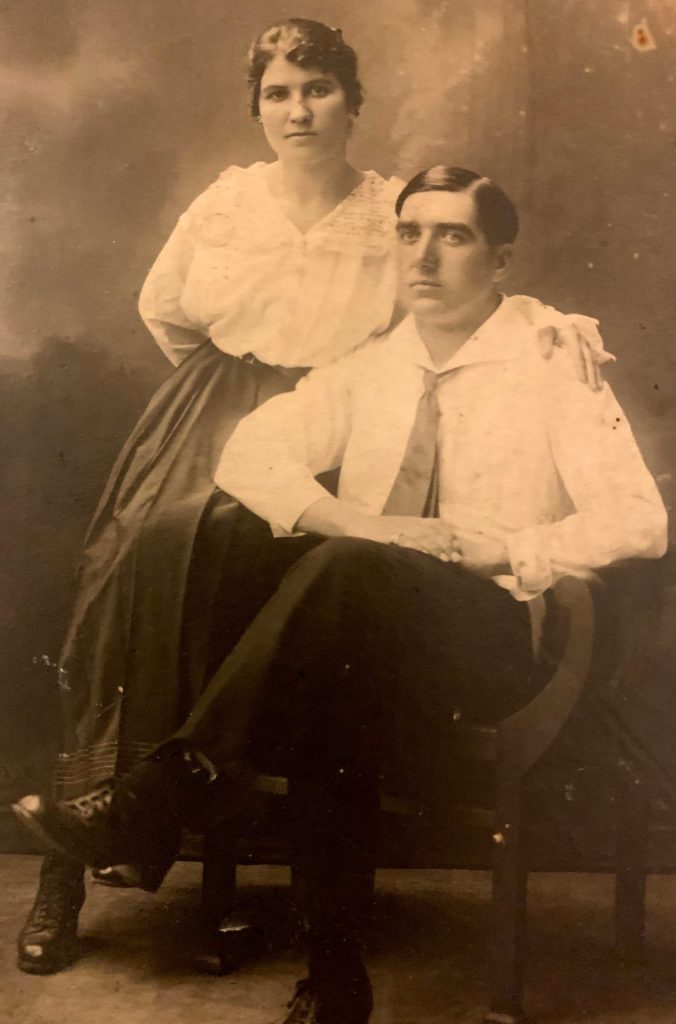
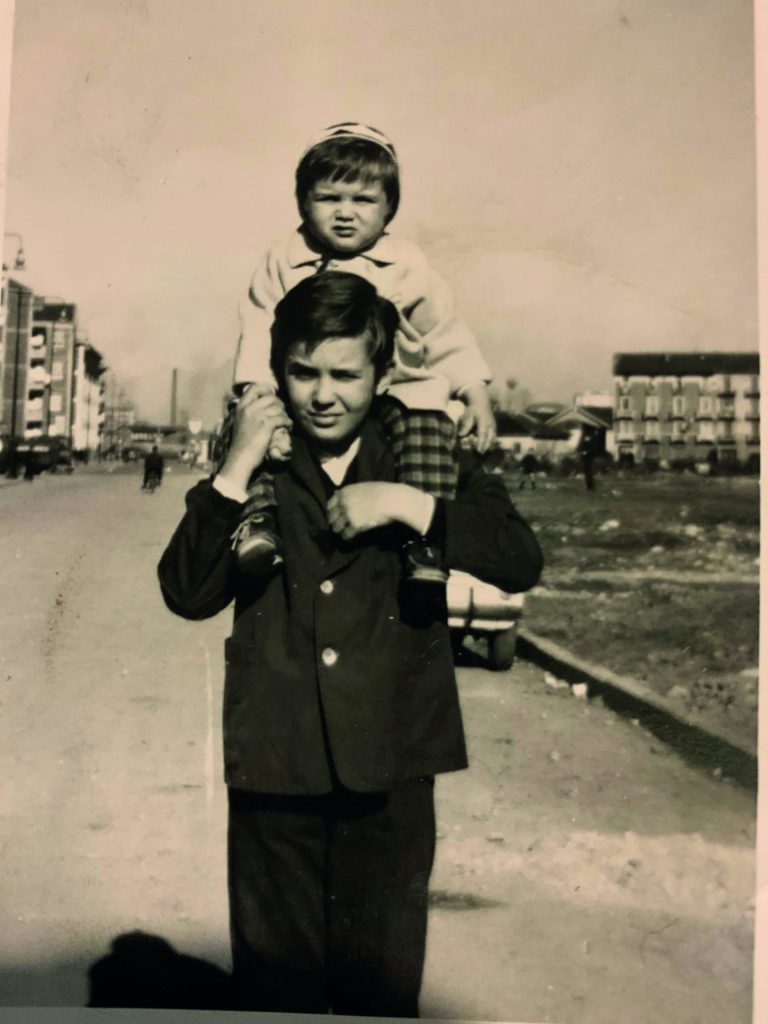
I would like to say that my family consists of institutional anarchists, which is an anachronism… it was difficult for them to always tolerate bosses, but at the same time they also respected the rules of the community. This is the mentality of the Fiumani, you don’t become a Fiuman because you were born in Rijeka, but because you live the concept of autonomy, freedom, independence, because you were lucky enough to develop in a place that gave you those opportunities.
The people of Rijeka shared the fate of Istrians and millions of Europeans. The war spared nobody. It was an event woven from countless personal tragedies.
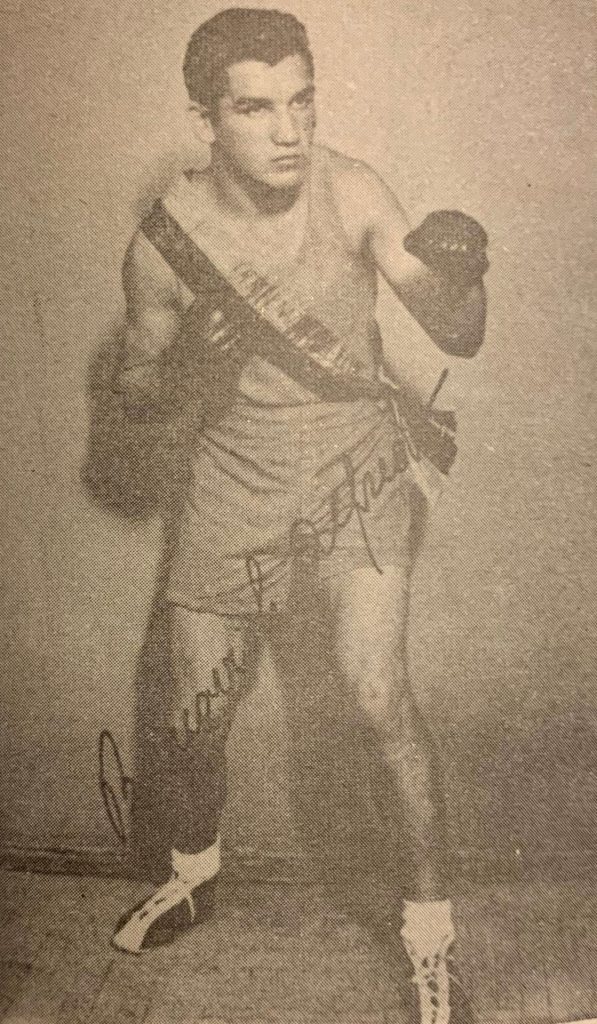
As a fourteen-year-old, Pietro Brakus was recruited into Todt, a German military-civilian construction company that used forced labour in the occupied territories. After the capitulation of Italy in 1943, all non-Germans found themselves in danger.
… one captain, fortunately an intelligent man, told all the non-Germans that it would better that they left and went home. Pietro was the only one who knew Croatian and he brought a group of ten or twelve people who fled like him to Rijeka, I don’t know how many kilometres they walked by foot.
Carmen Barcovich was an educated girl who was employed by her “friends” at the Ministry of Internal Affairs. From that position, she helped many people to escape, however, her efforts were exposed, and together with her sister, she was punished with forced labour in Bosnia on the construction of the Brčko-Banovići railway.
“This is not the first railway in the world for sure, but it is the first one built by children.” (Miroslav Krleža)
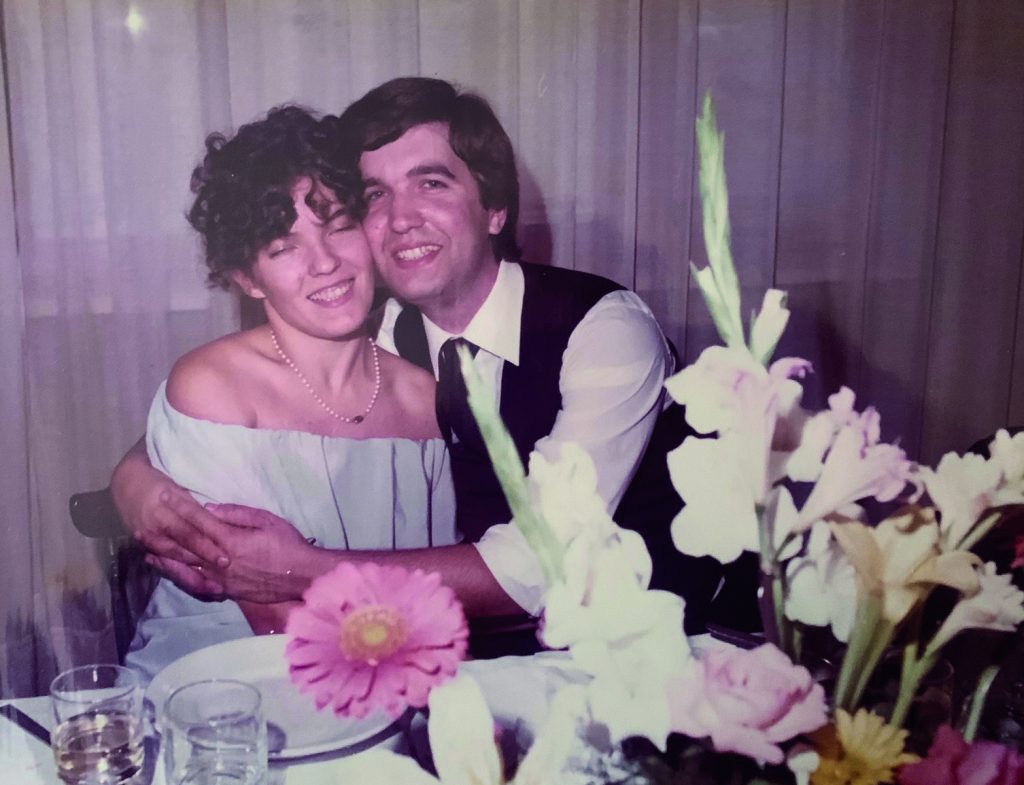
Pietro and Carmen were married in April 1951, and in November of the same year, Pietro went to Italy. Although already married and in a different situation, Carmen’s documents (“opzione”) were not approved to leave the country. Pietro went alone and ultimately ended up in the infamous IRO (International Refugee Organisation) refugee camp in Naples, from where refugees and exiles were sent to South America, the USA or Australia. After being granted permission to leave, Carmen got on a train, travelled 2,800 km with her aunt to Santeramo in Colle (Bari) and managed to reach Pietro without any kind of previous contact.
The wonderful thing about people is that, and we don’t know how, they managed to communicate and that’s how my dad found out that my mother had arrived in Italy. They got back together in this refugee camp, and I was born practically between two blankets, in a small Bourbon barracks from the 17th century. The rooms were divided by blankets hung on a rope. You felt and lived in coexistence, you listened to the cry of pain of those who left their native land, you heard the painful cries of the sick, breathed in the smells because people ate badly and digested even worse, you heard the moans of the woman who gave birth and who gave me life.
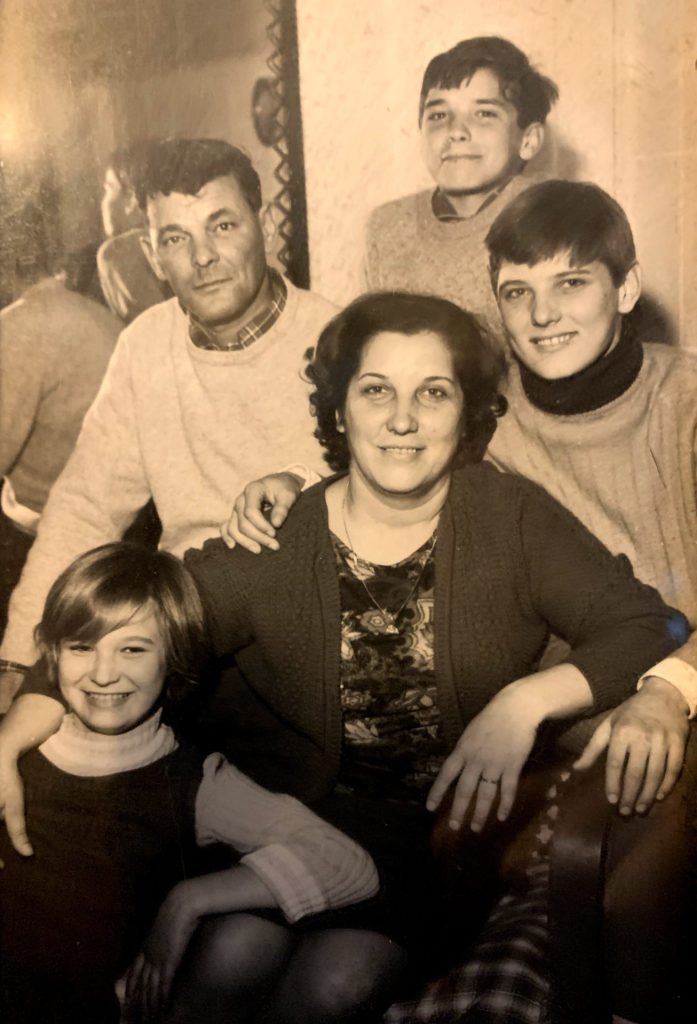
Like many exiles, Carmen and Pietro often returned to Rijeka.
… when I came to Rijeka I was an “Italian” and when I was here in Turin I was a “refugee”… so much for that when talking about roots… the wonderful thing about my parents is that they never raised me with hatred, never…