Istrani nakon 2. svjetskog rata“
U okviru projekta "Identity on the Line
- Ugroženi identitet"
Chiara
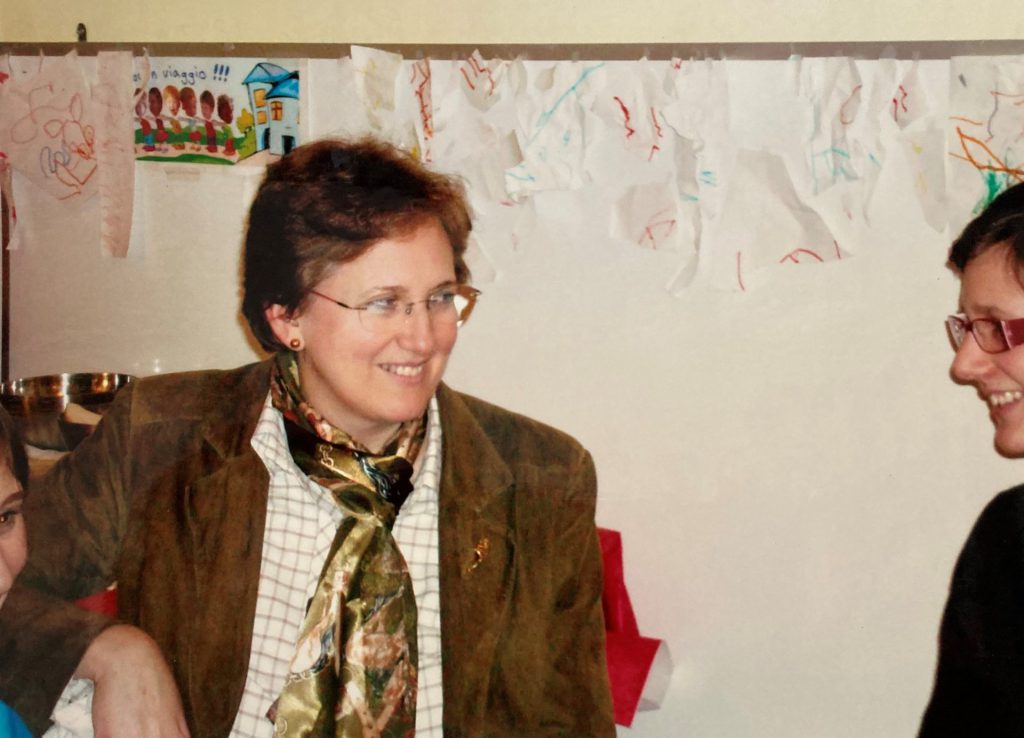
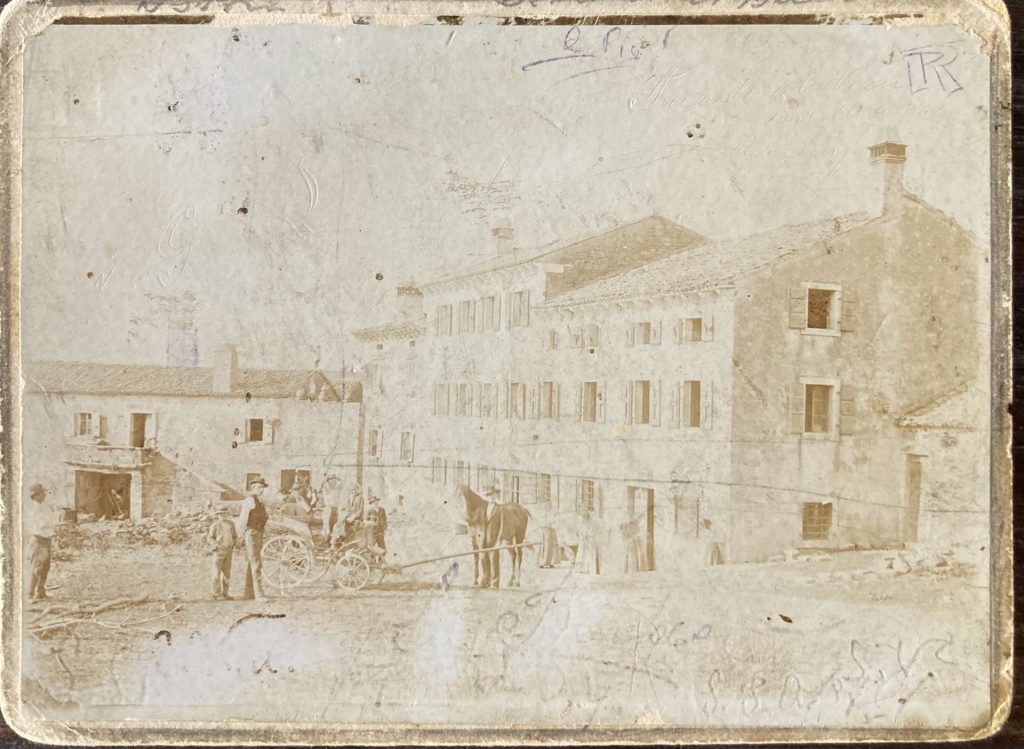
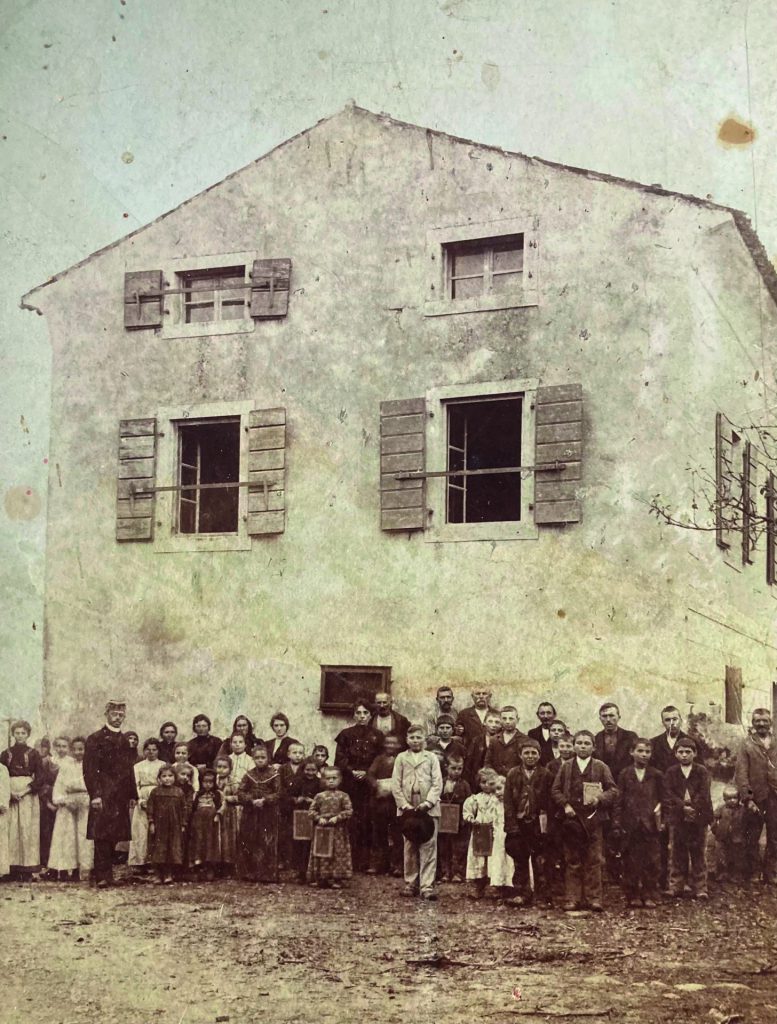
Chiara was born in Trieste, into a family of exiles greatly connected to Istria. The fact that her father Arturo was the founder of the IRCI (Istituto regionale per la cultura istriano-fiumano-dalmata) shows us how strong and lasting that relationship was. Chiara’s love for Istria, especially Berda/Brdo , Lama and Pozioi, the birthplaces of her ancestors, where she has always felt at home, had been present since her early childhood. Due to this she still feels like an Istrian woman today.

I grew up hearing from my parents how beautiful it was in Berda/Brdo and Umag and in general in Istria, how people lived well, how splendid and special nature was there. In short, many lovely memories and stories were passed on to me. They took me to Istria when I was little, but I still couldn’t understand how those places were once full of life and people because I only saw them empty, but I did understand the nature and the landscape well, they were always beautiful and lush.
Both of Chiara’s parents fled from Istria. Her mother mostly because of fear, and her father because he didn’t want to do military service.
Even today, she (my mother) does not say anything about her exodus because she is afraid. She lived in fear and grew old feeling it. She was first employed as a worker and later as the secretary at the Arrigoni fish canning factory. For the feast of St Peregrine, the patron saint of Umag, she went to the parade, but a few days later she was threatened, I guess by someone from the national guard who asked her why she went to the parade instead of attending a Party meeting. This act scared her and she fled to Trieste on her own. Her older brother who had also fled earlier to avoid military service was already there.

Life in Trieste and migration experiences within the family enriched Chiara. She easily understood and empathised with other migrant experiences. Apart from Istrian, there were also Libyan Italians who lived in refugee camps after the war. Chiara points out that the Istrians exuded a special strength, a sense of survival; unlike fellow residents and other newcomers, she considered them as being extremely modest and hardworking.