Istrani nakon 2. svjetskog rata“
U okviru projekta "Identity on the Line
- Ugroženi identitet"
Dario
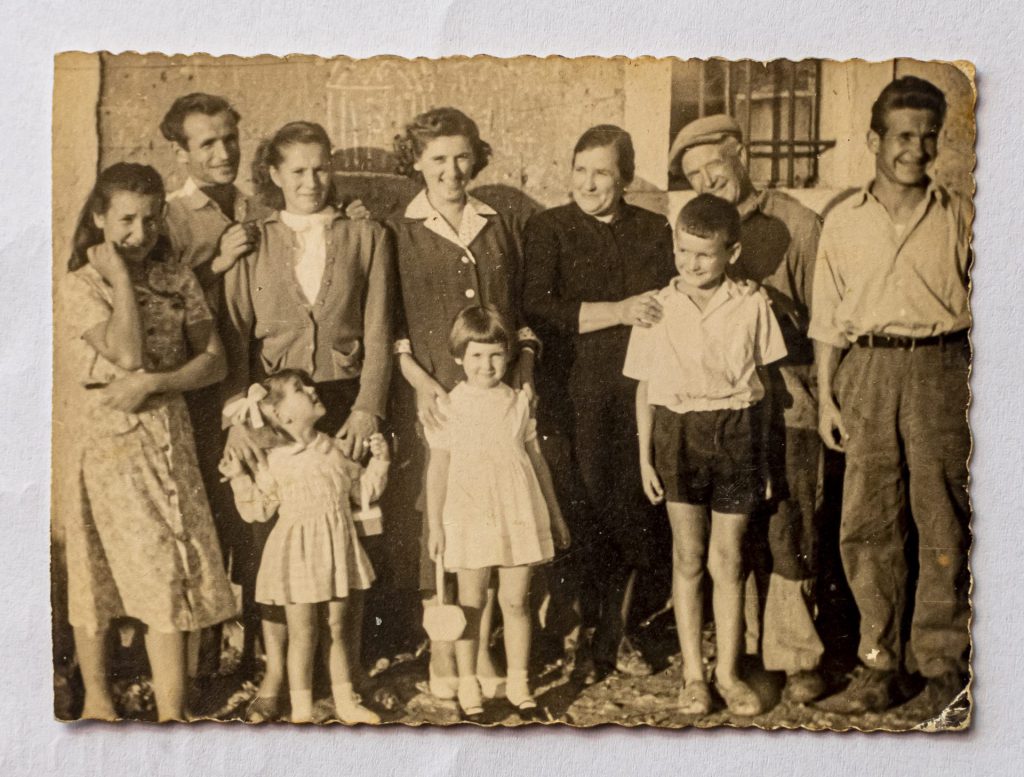
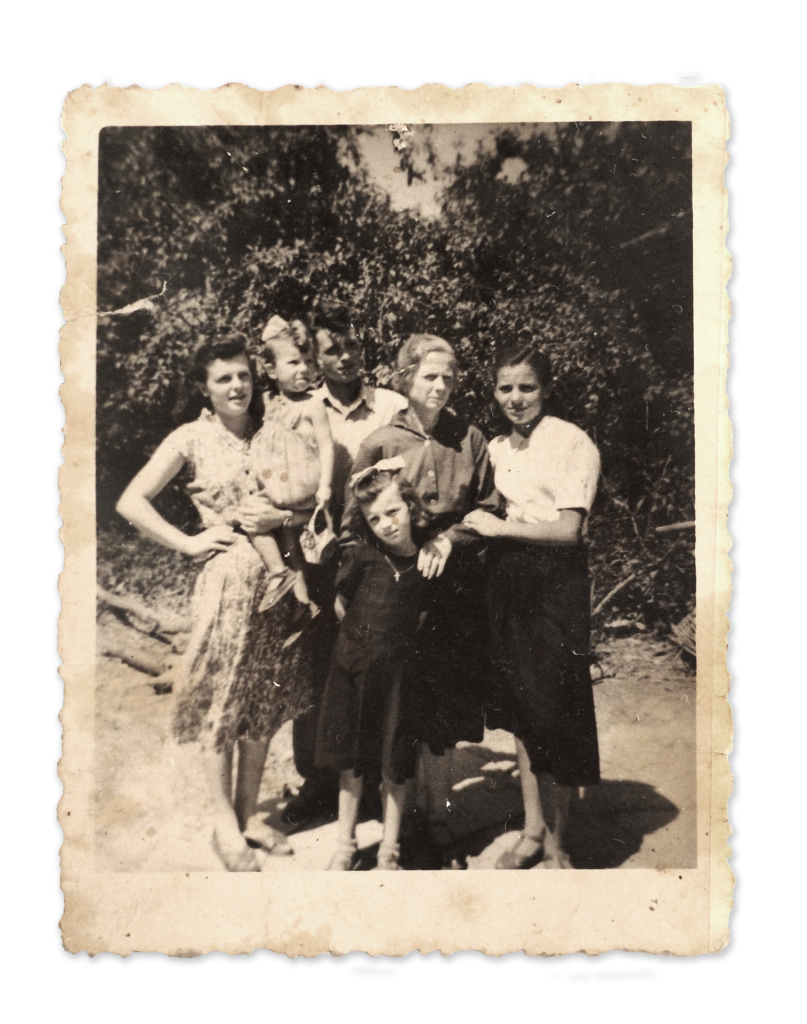
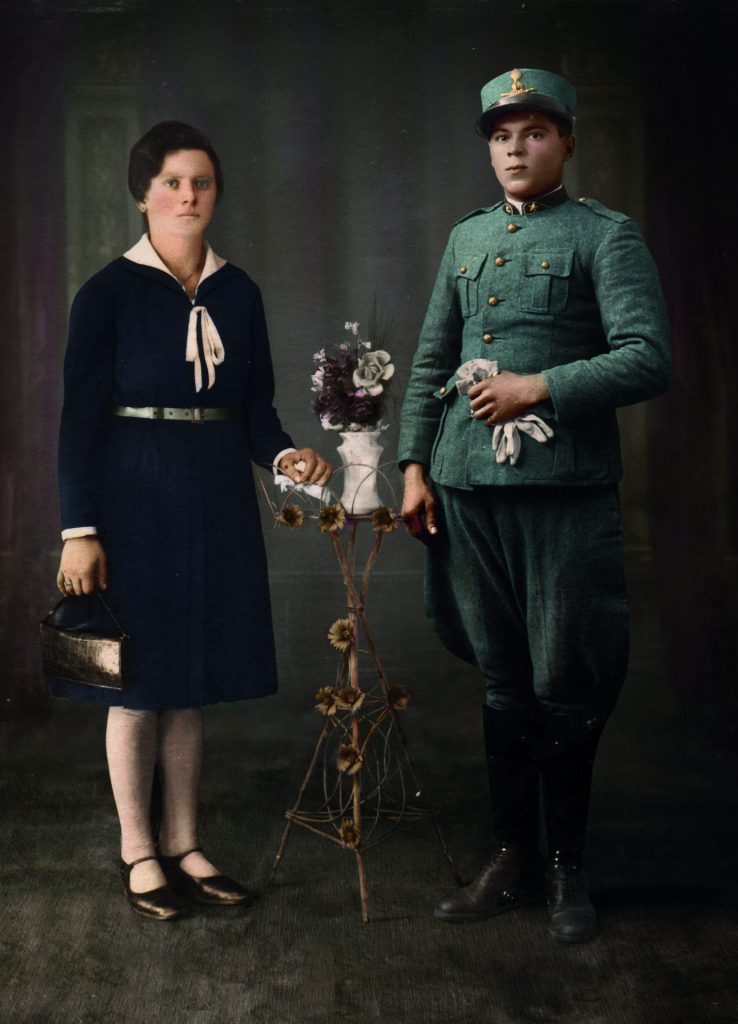
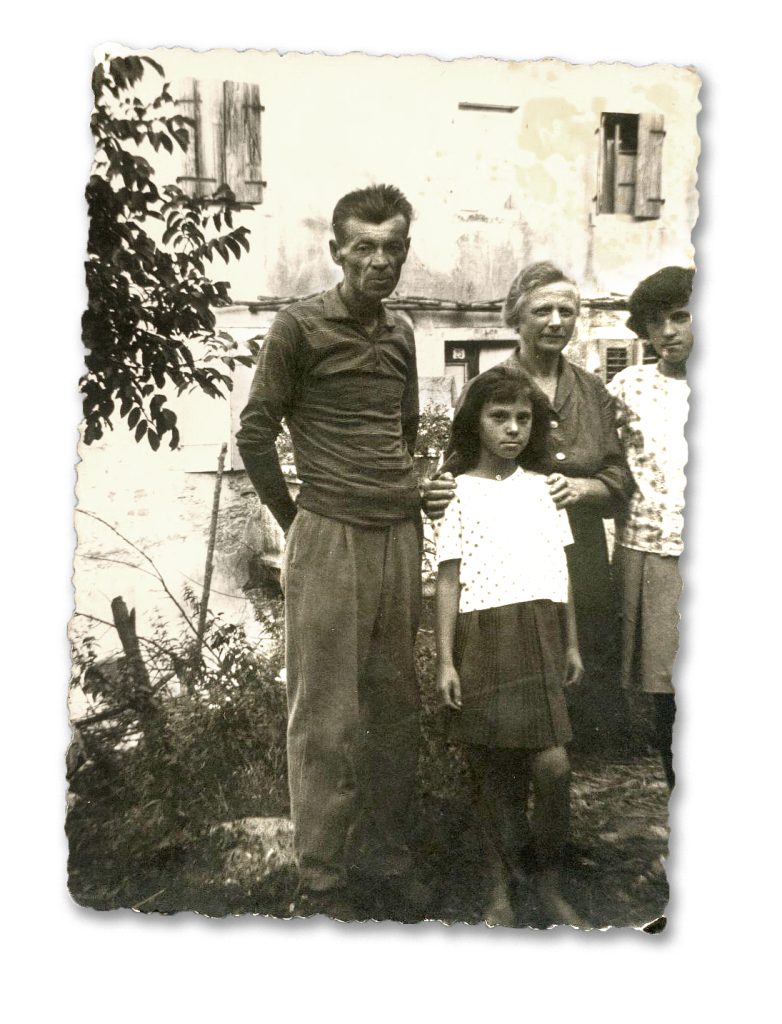
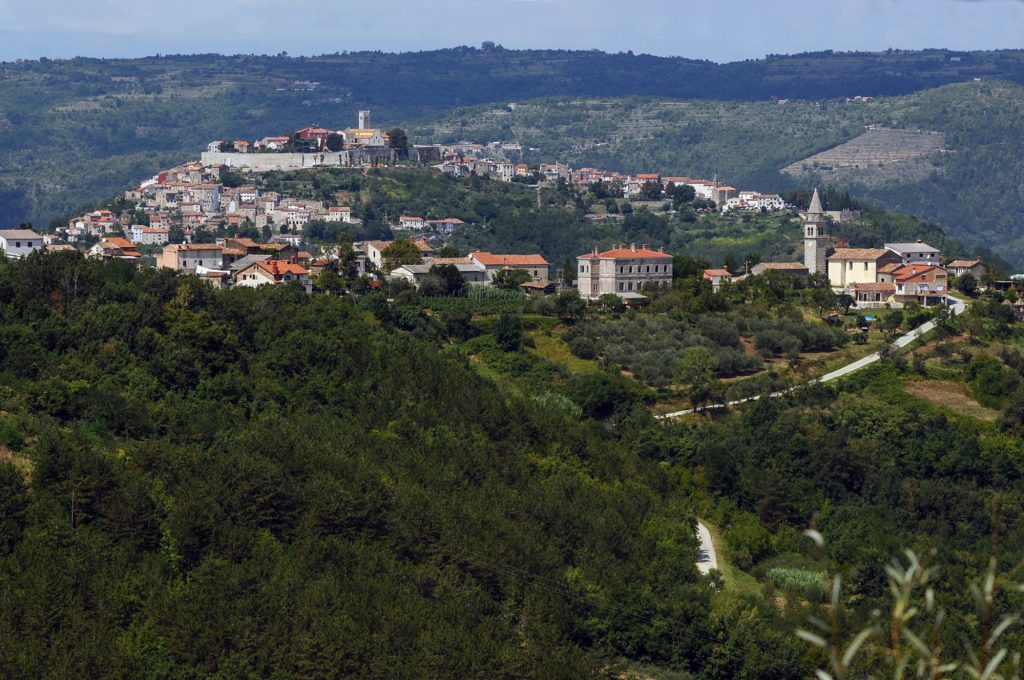
Dario Prodan was born in Turin in 1975. He is the child of parents who emigrated from Istria and then met in Turin, then starting a regular life. Namely, in the 1960s, the Istrian exiles often got together at meetings and parties where they sang, danced, played music and talked about former times. His mother came from a modest family in the Višnjan area where Italian was spoken. His father, however, was born near Motovun, in Kaldir, into a family where Croatian was spoken, regardless of the Friulian origins of some of its members.

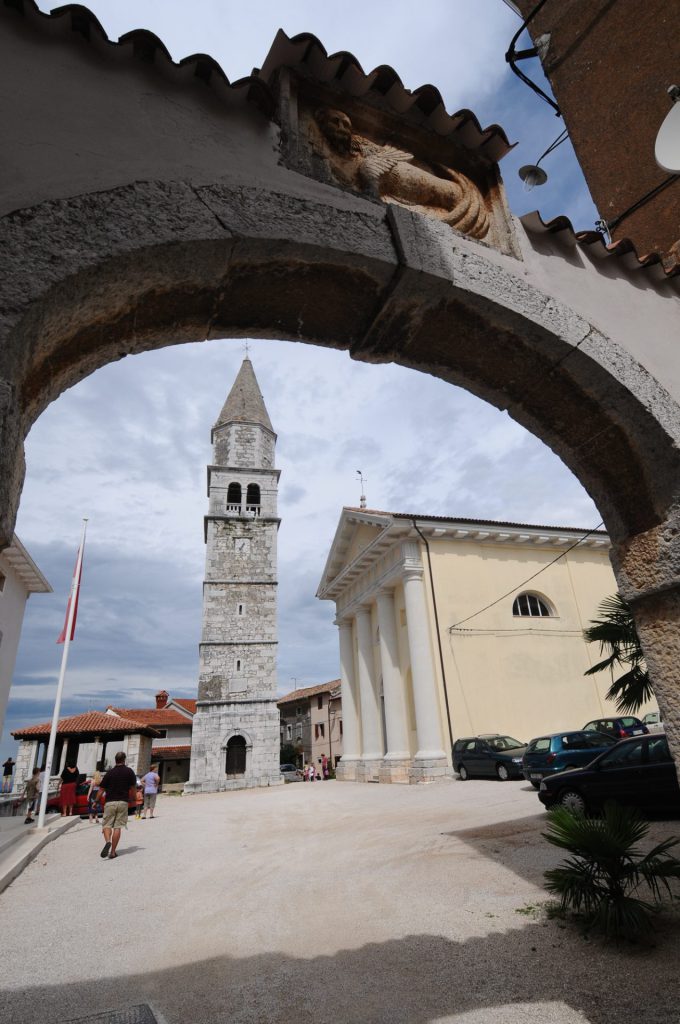
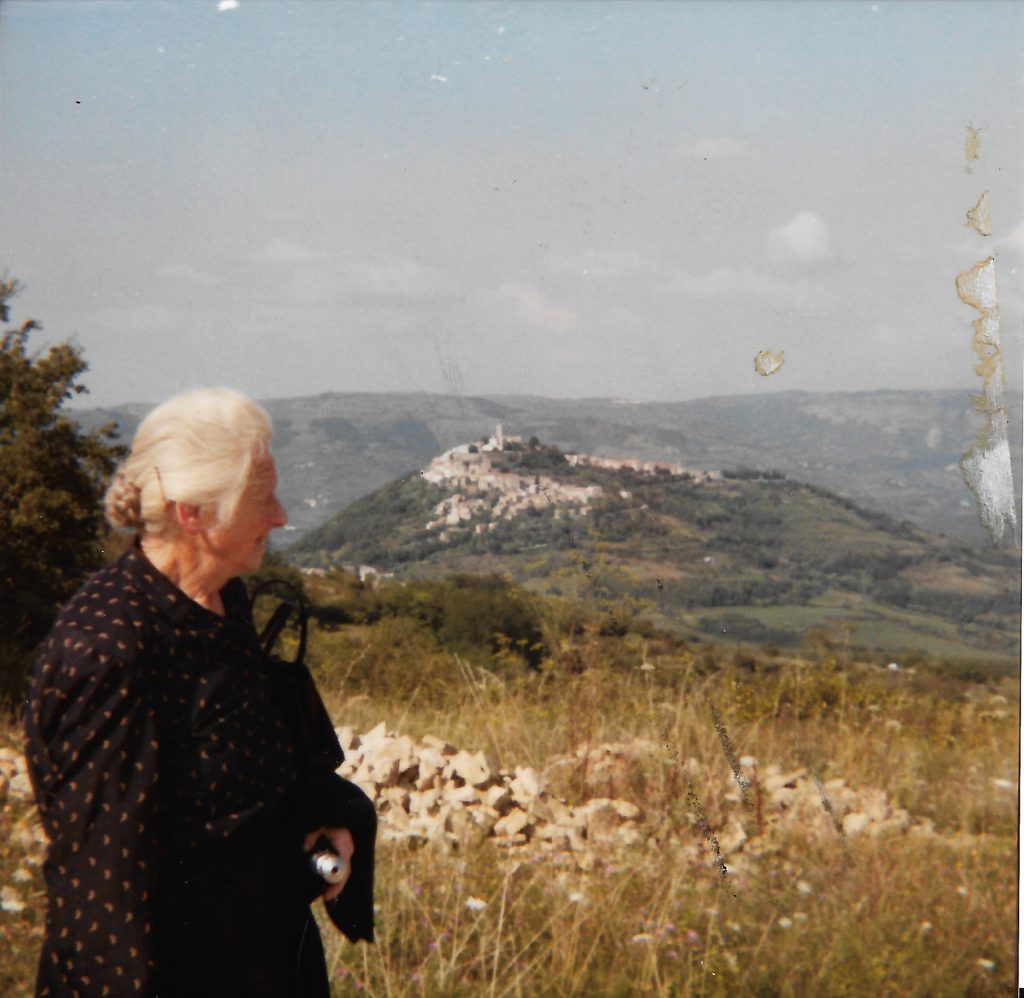
He often went to Istria, because, as he says, he was lucky that his grandmother on his father’s side who lived to an old age, remained there, so he had the opportunity to develop a connection with the Istrian region. In Turin, where he lives permanently, he is active in the Circolo Istriano association that was founded in 2009.
The value of one’s roots… they are like a tree, you have to take care of them, if you don’t do it, the roots will dry up… of course, sometimes they can come loose, but we are lucky enough to be able to take care so that its branches, leaves and roots grow.
What is it that marks the second or third generation, children and grandchildren? It’s not just the love for the sea and food but valuing this land, thinking about this eastern border that exudes human history, history and sacrifices. Some left for work, some for economic reasons, some out of fear, and some to save their own life.
I think that is it very, very important to do these kinds of projects because it is important to remember today. You don’t exist if you don’t know your history, therefore it is very important!
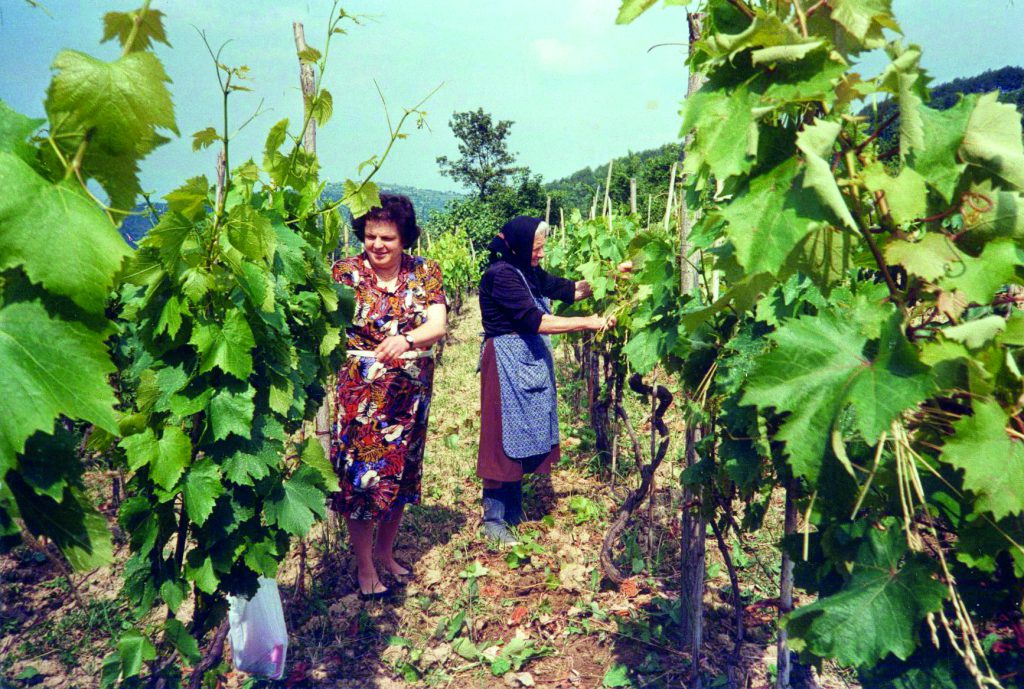
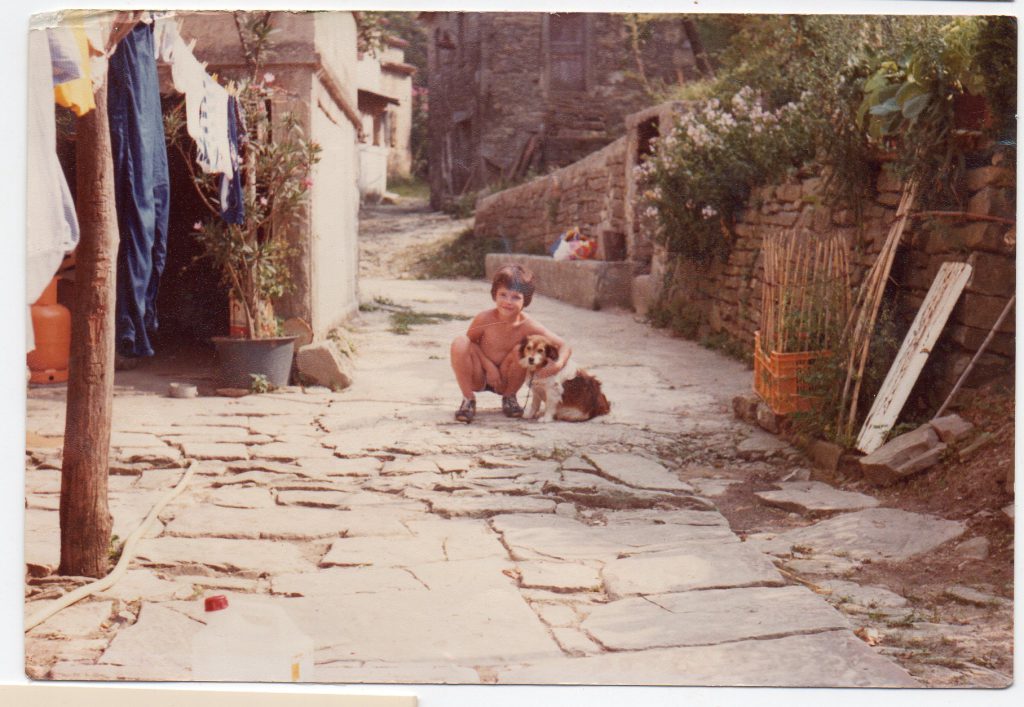
As for my feeling of belonging and rootedness, I can say that I was lucky that my paternal grandmother always stayed in Istria (my grandfather Pietro died in 1971), so I came to Istria every summer and stayed for more than a month.I lived in Istria in the 1970s and ‘80s, and the situation was very similar to that of the ‘50s: very old cars, rural situations, simplicity, no much comfort… but for me it was the most beautiful place in the world. I was lucky enough to go back in the ‘90s, whilst my grandmother was still alive, I was able to enjoy all her stories for many years to come.