Istrani nakon 2. svjetskog rata“
U okviru projekta "Identity on the Line
- Ugroženi identitet"
Franco
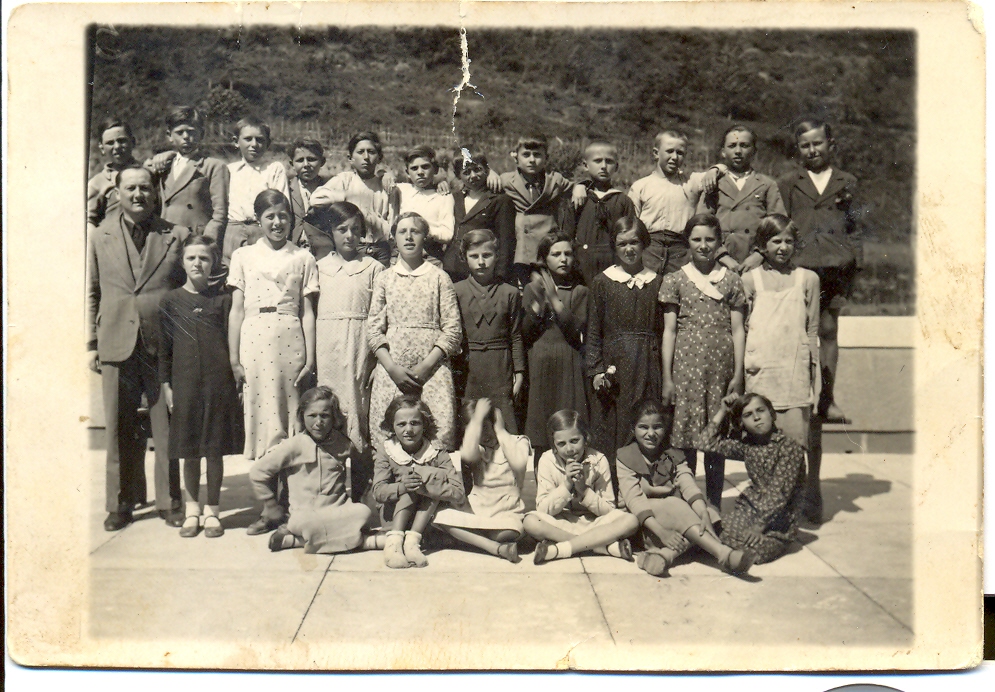
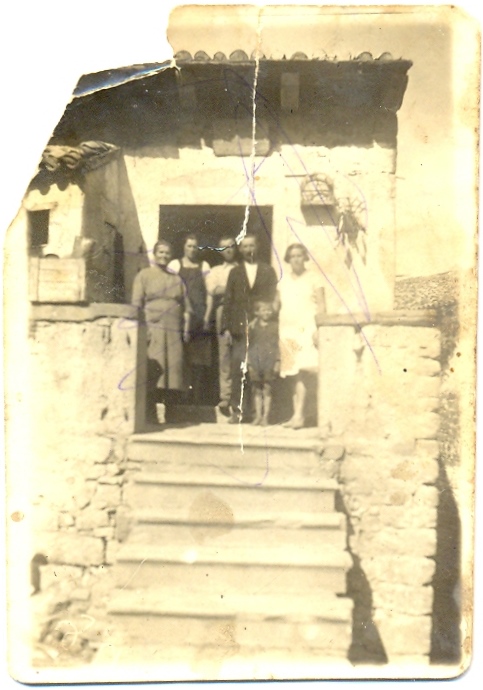
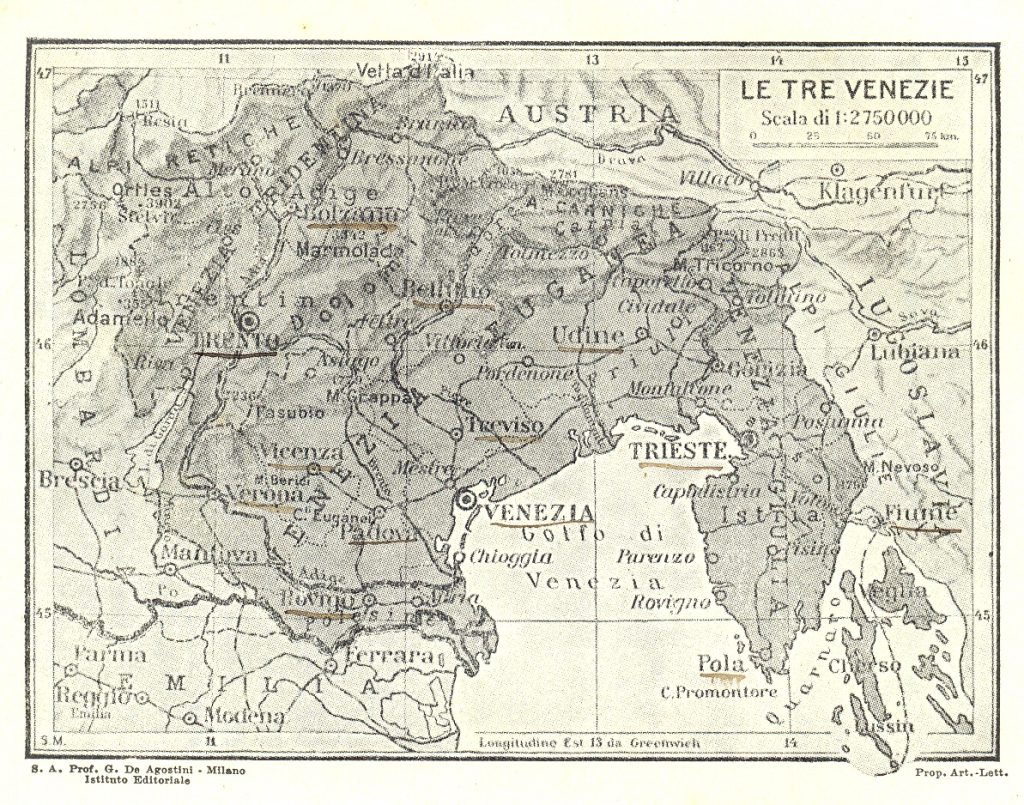
Since early childhood, Franco felt as though he was born in Završje, from where his parents emigrated in 1944, first to Koper and then to Trieste.


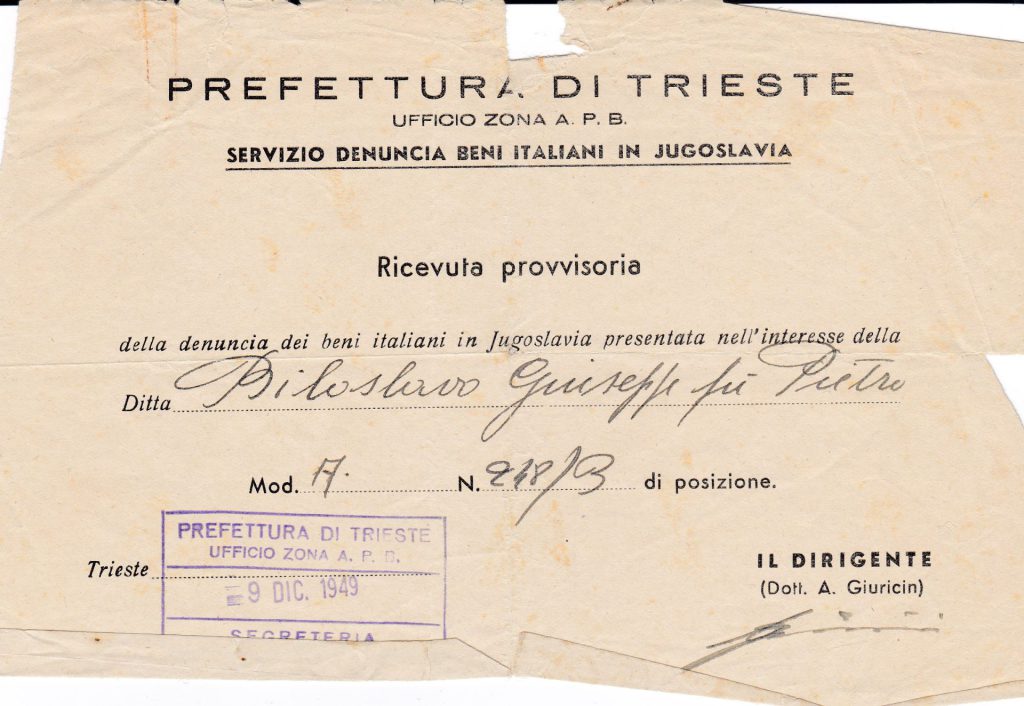
They left in 1944. Their story is that of a double departure, in the sense that they had gone to Koper before… Završje is located in the interior of Istria, where there was general chaos… Partisan activity, Germans, people being taken away by both sides, they came and took people away, it became impossible to live… Then in May 1945, when the Yugoslav Army arrived in Koper, they fled, in a no less but daring way. They hid on a boat and came to Trieste.
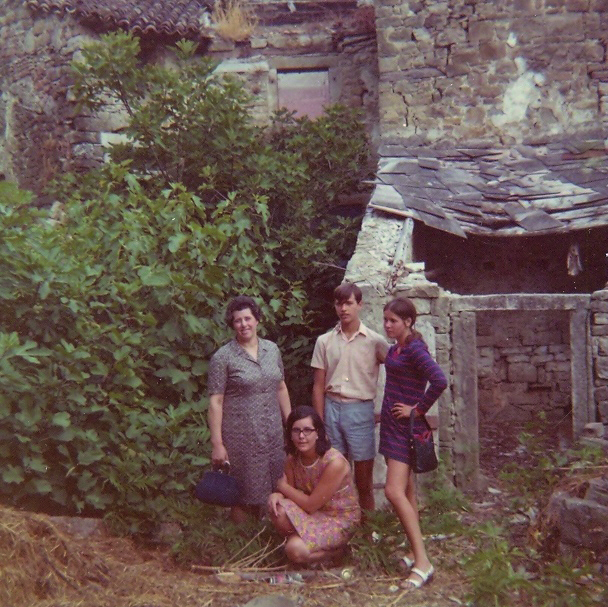
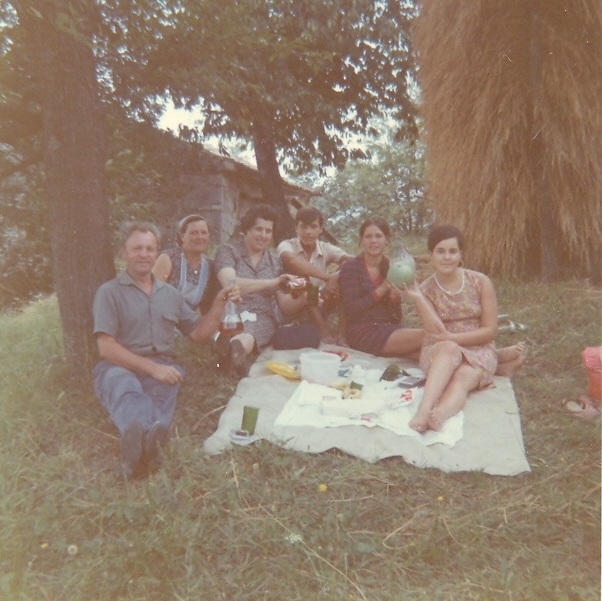
At first, he lived in Trieste in an extended family that numbered a dozen members. Given that they constantly spoke about Završje and that they continued to maintain close social ties, it seemed as though they had never fully left. Contact with an aunt, who was the only one left in Završje, also contributed to the feeling of belonging to Istria. He visited her together with his uncle. Namely, it was difficult for Franco’s father to leave. He was so affected by the situation that he decided that he would never return to his birthplace.

My uncle would put me in the car and take me to Završje. If it were my father’s decision, I wouldn’t be here today. He went through torment because he left behind his mother, father and brother when he went away. His brother died very soon after, and his mother and father too… He erased everything.
Franco emphasises that all decisions, including those about leaving or remembering, are guided by a specific trait. Some decided to stay, some left, some remember, whilst others remain quiet and try to erase their memories.
The process of the exodus from Završje, in his opinion, was not of an ethnic nature but almost exclusively ideological. The consequence of these ideologies is not only broken families and difficult individual fates but permanent prejudices too: Sciavo per chi rimaneva o fascisti per chi partiva (A Slav was one who remained, a fascist was the one who left).
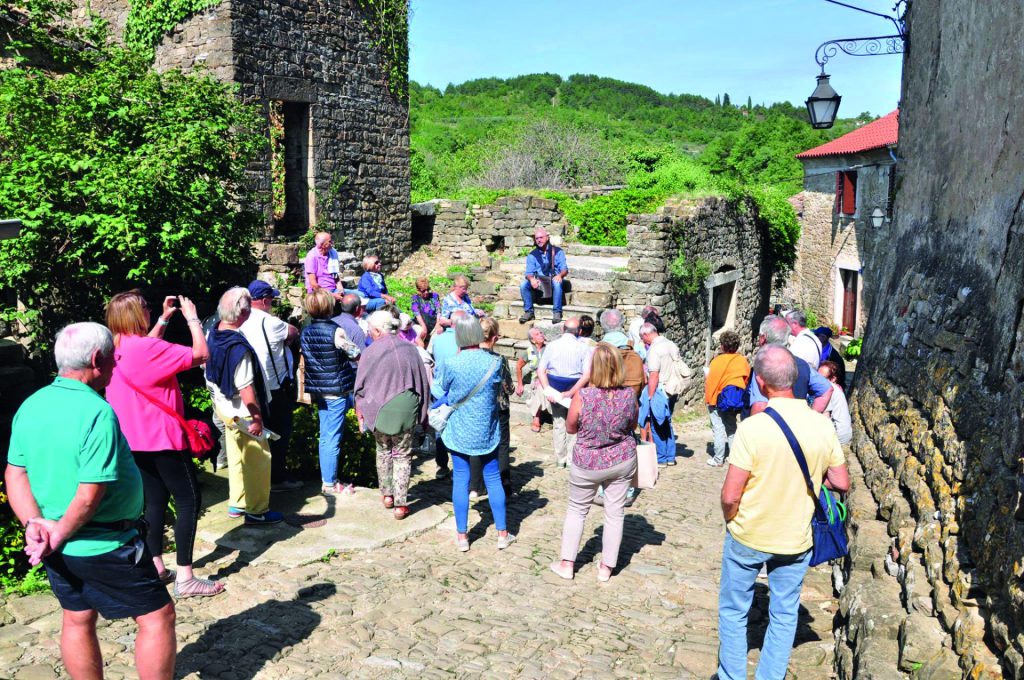
Franco fought against prejudice and forgetfulness by writing, he collected and published the memories of his mother and her compatriots in the book No se podeva star.