Istrani nakon 2. svjetskog rata“
U okviru projekta "Identity on the Line
- Ugroženi identitet"
Lucia
When I visited my mother’s house for the first time, I was only 7 years old, it was 1963. I remember the house, poor, a little dilapidated, they were still houses of the communist regime, with big cracks on the stairs, which my mother remembered, darkened windows from the war period, blacked out because of the air raids and curfew. On that day I saw only crying, crying, crying and I wondered what the reasons were for such despair… it was touching to feel so many emotions in the air, I had never seen my mother cry before. At one point, a lady appeared at the window of my mother’s old room, she saw us… she saw my mother’s tears and asked “Do you want to come up?” She understood everything with a simple look, there was no need to ask anything…
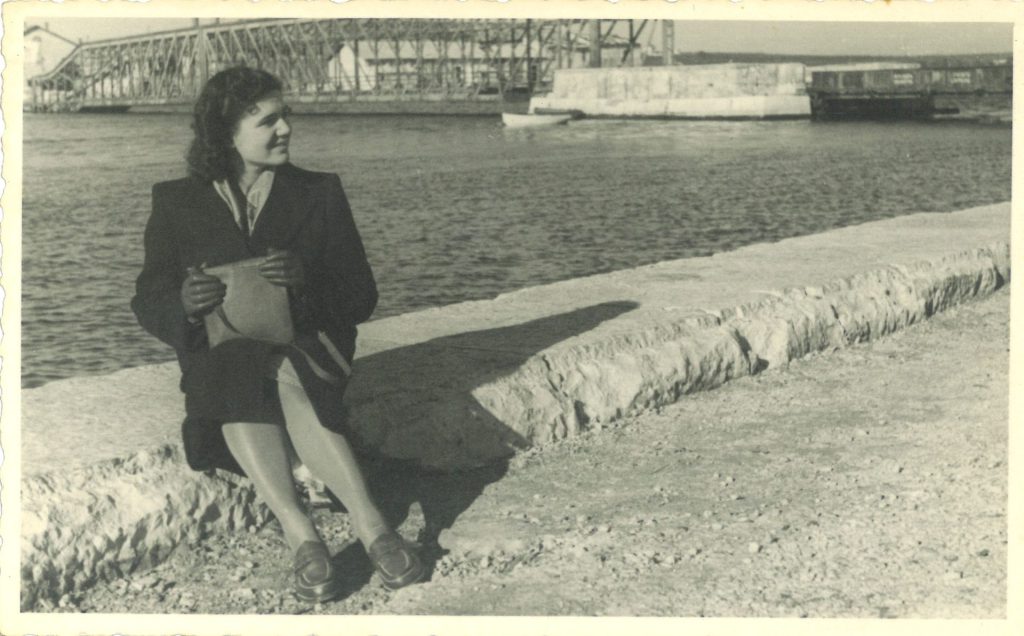
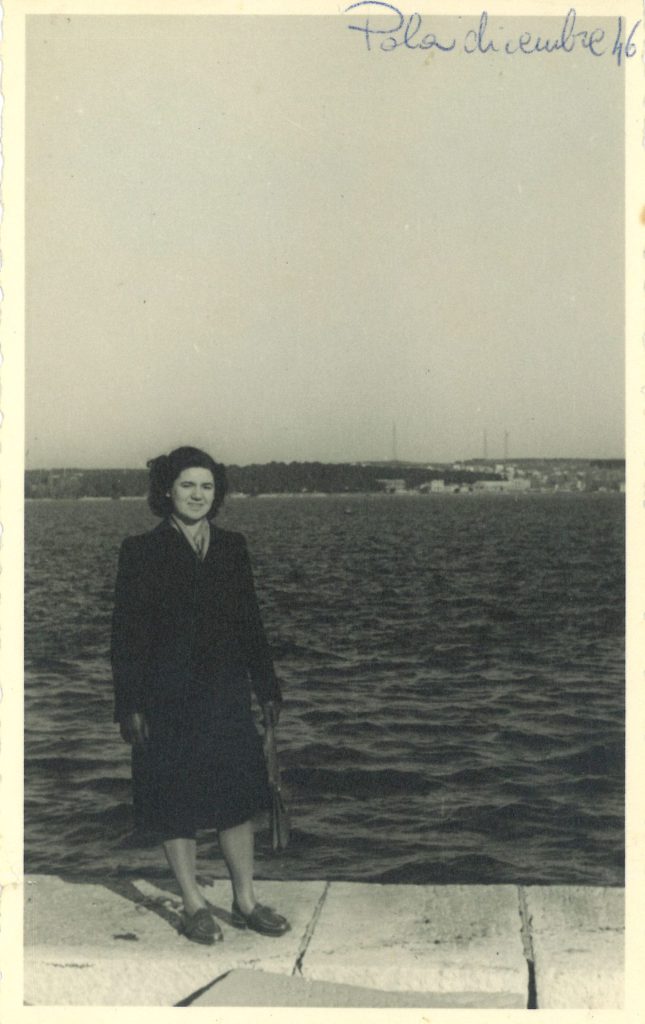
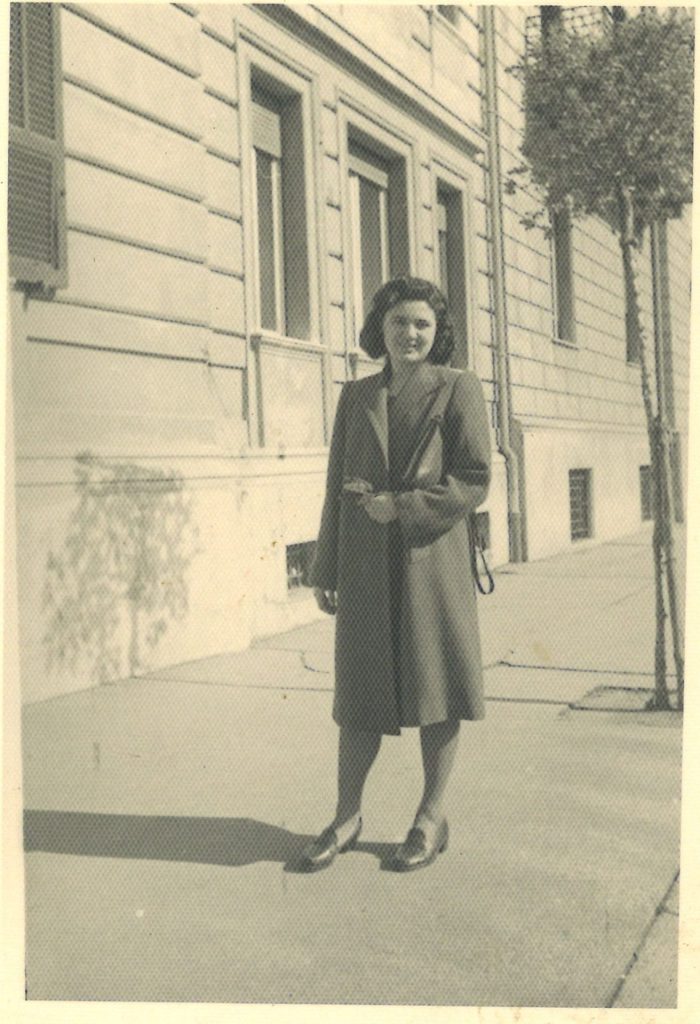
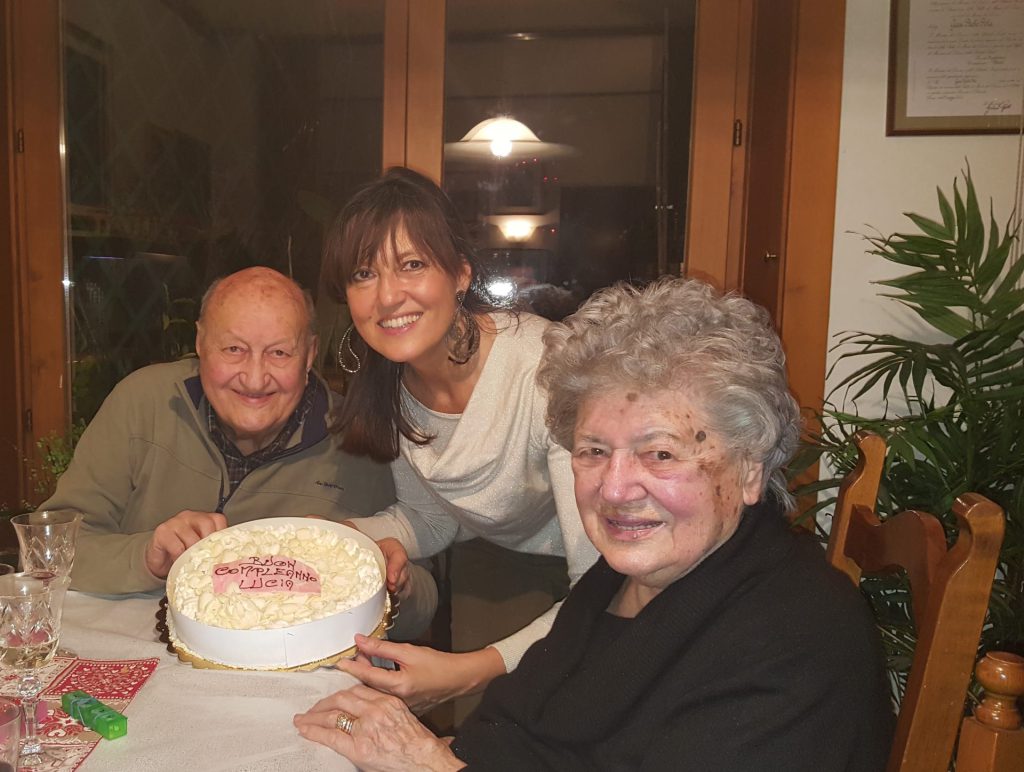
Lucia was born in Milan and is connected to Istria through her mother who left Pula when she was 21. Her mother’s memories of Istria are beautiful, they are related to the sea, the smell of the pine forest and carefree bike rides to Stoja and Valkane. Peace first ended the war, and then, for the Allied administrations when many hoped that Pula would remain Italian, there was another great tragedy.
Vergarolla beach, on a hot summer day, was full of young people, families and children. During a swimming competition, 28 mines suddenly exploded. There were more than 100 victims, many bodies were torn apart and never identified. It was the bloodiest massacre in the Italian Republic.
Three days before the tragedy, there was still hope.
On 15th August 1946, a large number of people, especially young people, organised a demonstration in the Pula Arena, with Italian tricolours, today we would call it a flash mob. There were thousands of them and they all sang together the aria Va Pensiero from the opera Nabucco by Giuseppe Verdi to emphasise even more their wish for Italianness.
Lucia’s mother left Pula in February 1947. She remembers that it was cold and that they left Pula on the speedboat Brioni thanks to the connections her father had as the boss at the Arsenal. Their first stop was Venice, where her father also got a job at the Arsenal and where they spent seven difficult years in the area of the barracks intended for “refugees.” Lucia’s grandmother died here, she believes, from grief.
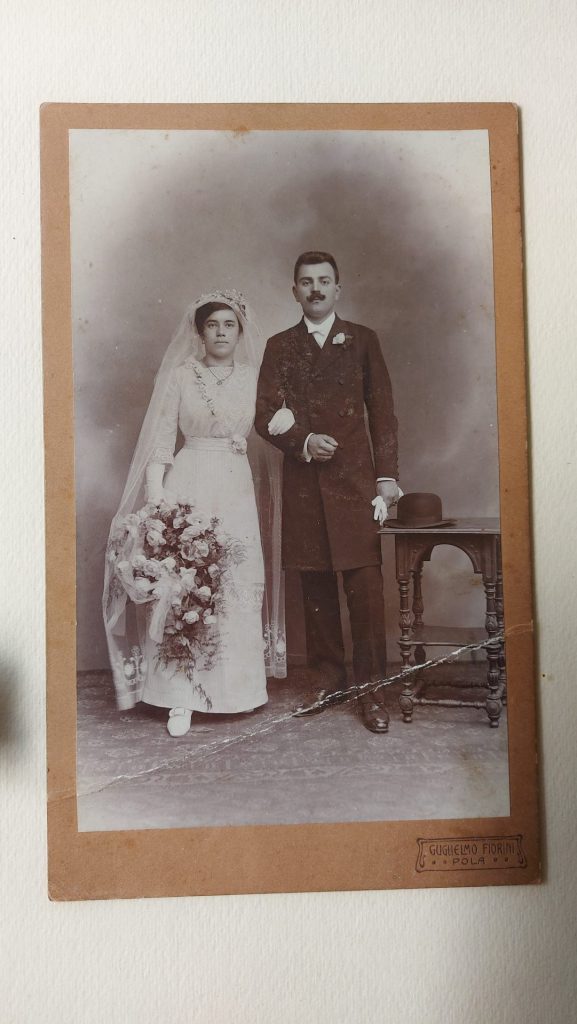
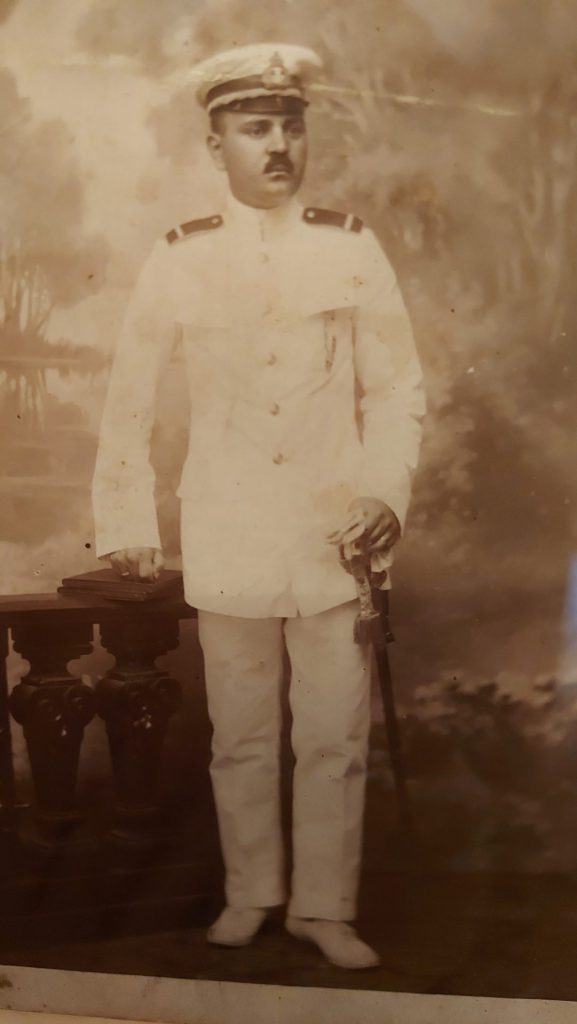
Lucia’s parents met whilst studying in Rome, and it is interesting that her father was from Osimo, the place where on 10th November 1975 the agreement was signed according to which the borders between Yugoslavia and Italy were finally defined. The Free Territory of Trieste was abolished and zone “A” went to Italy, and zone “B” to Yugoslavia.
Now we must look to the future and hope that those who now “own” this heritage that belonged to many, will preserve and protect it. Here, those whom we once called “the others” are the ones who help us keep alive the culture and language, memories and everything that will always be Italian, Venetian there.