Istrani nakon 2. svjetskog rata“
U okviru projekta "Identity on the Line
- Ugroženi identitet"
Maria
Maria never lived outside of Galižana for long. She witnessed the departures of her fellow residents, both the rich and the poor or unemployed. Years passed without meeting those who stayed and those who left until the authorities made it possible for them. Maria, like many others, came into contact with the Croatian language and began to learn it only when she started working. She spent many years working in the Arena knitwear factory in Pula.
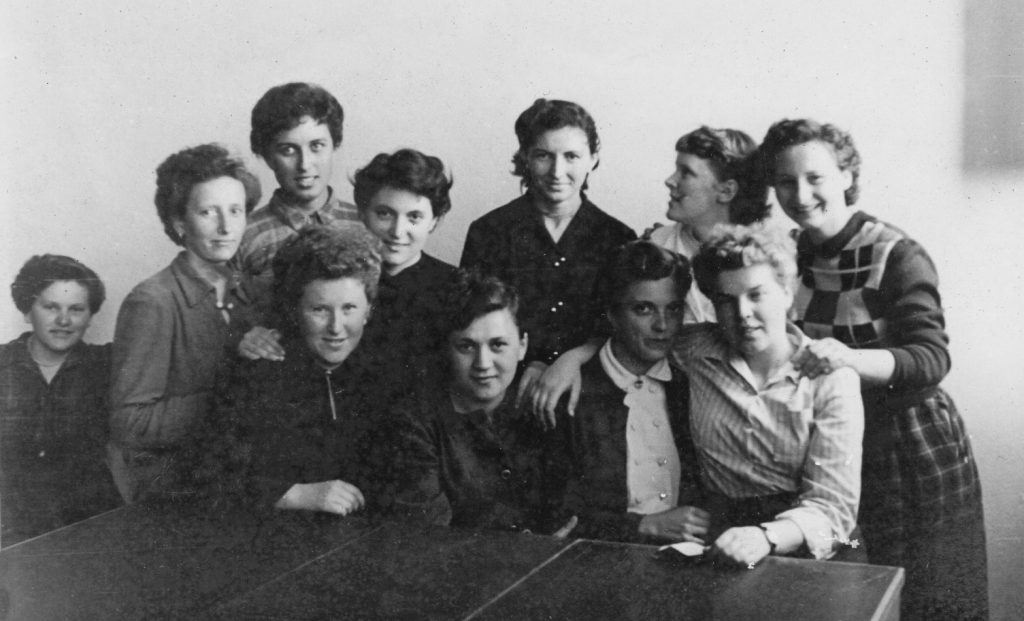
Her first husband was from Zadar, and after his death, she remarried a man from Pula, who emigrated to Genoa.
… and we stayed here, the poor and well-off, we stayed… at least we were in our houses…
For us who were Italians, life was not always happy…
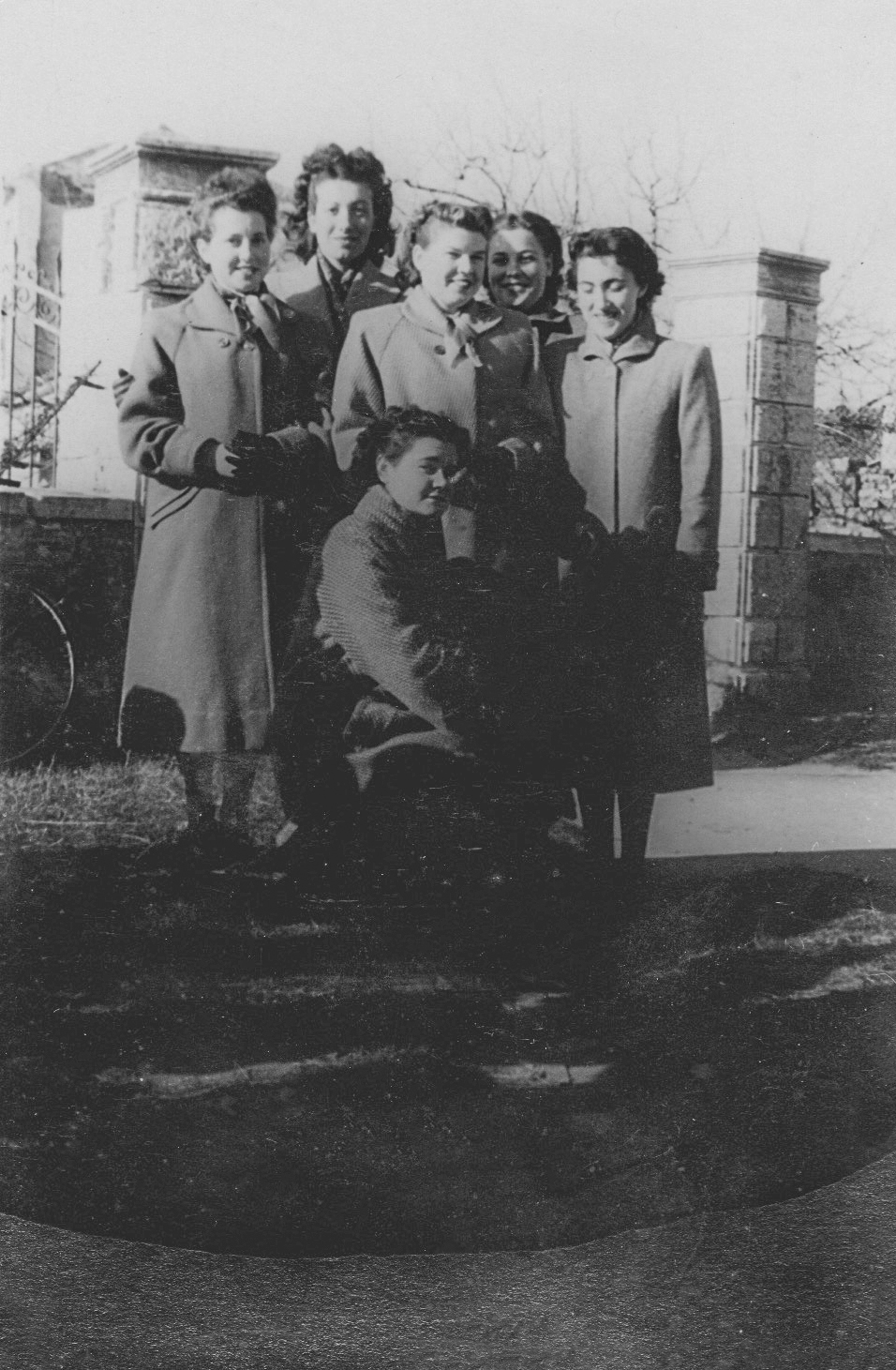
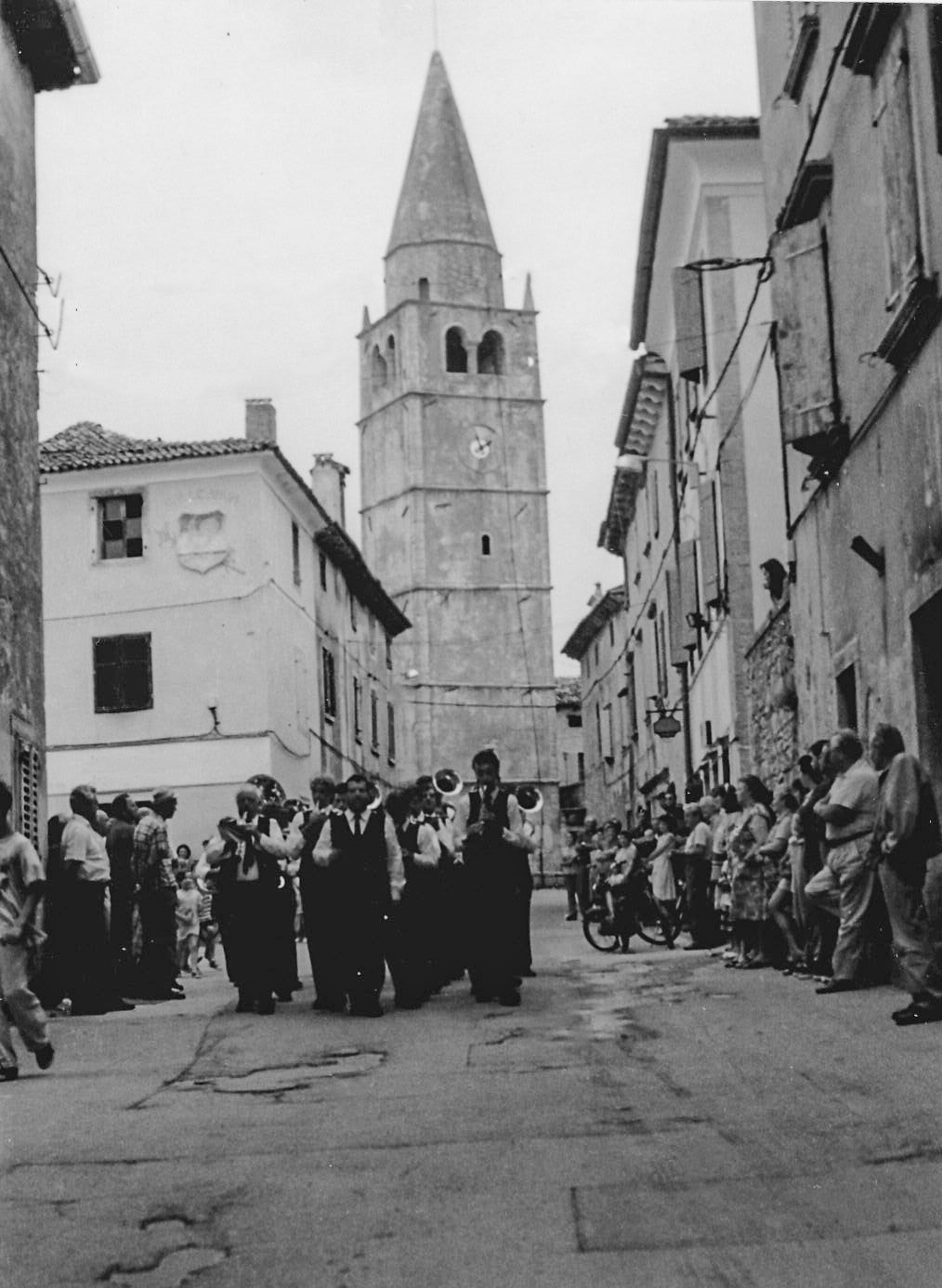
She was aware, like many others, of some problems that existed between those who stayed (rimasti – remainers) and those who left (esuli – exiles). It seems to her that the esuli, during their visits to Galižana, tried to be superior to those who remained. Perhaps they thought that the rimasti had profited from the land and possessions that they had left behind, she pondered. Although the really rich did not return, not even to visit, perhaps partly because they were connected with the fascist past. There may have been some jealousy amongst others, because the inhabitants of Galižana, also thanks to favourable loans, began to build new houses, whilst many of the esuli did not have such housing conditions.
… and as if we don’t exist… people talk only about them, about the esuli, even now when there’s a festival… always about the esuli… but what are we?… we didn’t live well…
In order not to go to the Homeland War in the ‘90s, people left, young people left… how many of them left, even from our place, they went to work and stayed there, some stayed even after the war…