Istrani nakon 2. svjetskog rata“
U okviru projekta "Identity on the Line
- Ugroženi identitet"
Anonymous
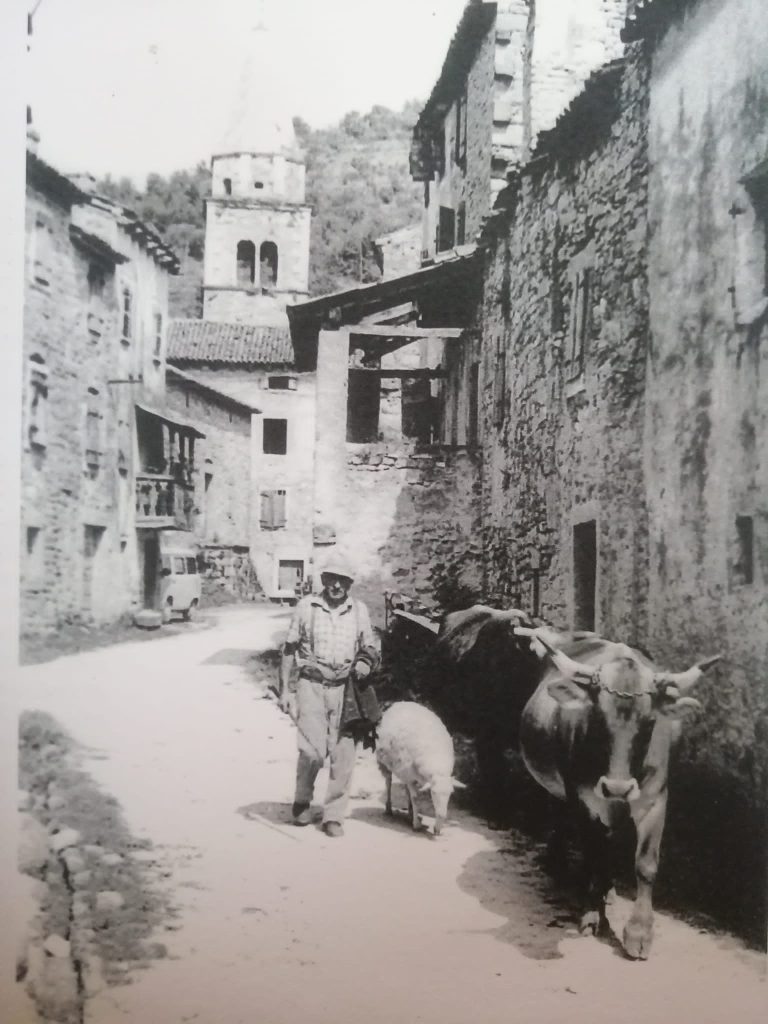
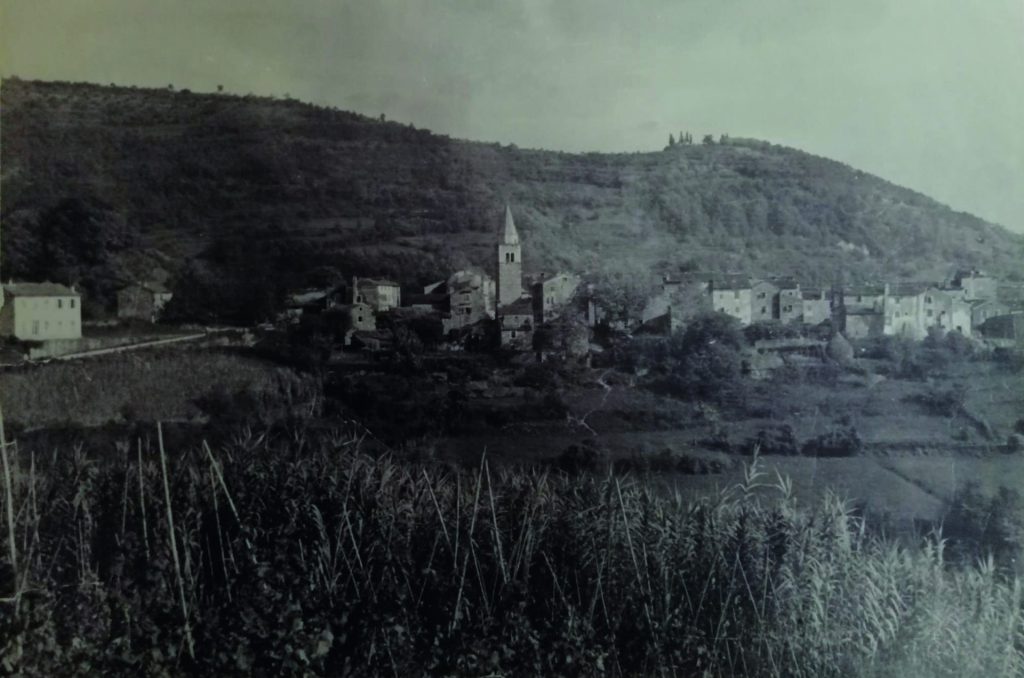
Kostanjica once had 500 inhabitants, who at the beginning of the 20th century belonged in their entirety to the Italian cultural and linguistic circle. It had an Italian-language school which, due to the number of children, taught in two shifts, a doctor, a shop and a brass band. The informant is one of today’s 17 residents in Kostanjica. He comes from a family of farmers who always had a lot of land and livestock. It was his connection with his family and estate that prompted him to return after a short stay in Trieste as a builder of the new Istrian post-war society full of scars, as well as true beauty that encouraged life.

“Go home because the world will change.”
Although he was just a child at the time, he vividly remembers the German troops who descended on the town one day, rounded up all the people they found on the street and forced others to leave. In this crowd and panic, an elderly local was shot. Although they stopped the raid after that, no one else was hurt and the war soon ended, the fear lasted. The source of fear now was the wider socio-political relations, which mostly reflected in the everyday life of the “little man.” The battle between Italy and Yugoslavia for the Istrian territory incited constant suspicion and occasional revenge.
Long-lasting pressures led to the emigration of many people, even some of those who had participated in actions against their fellow citizens, leading them to their deaths. Rarely did anyone feel safe.
He decided to stay, he served his military service (1958-1960) on the territory of Serbia and learned Croatian. Although he never spoke about the war and dedicated himself to work and his family, today he believes that it is important to pass on traumatic war experiences so that the suffering will never be forgotten and so that new generations learn that everyone loses in war.